
Understanding the Differences Between Fundamental and Technical Analysis in Forex Trading
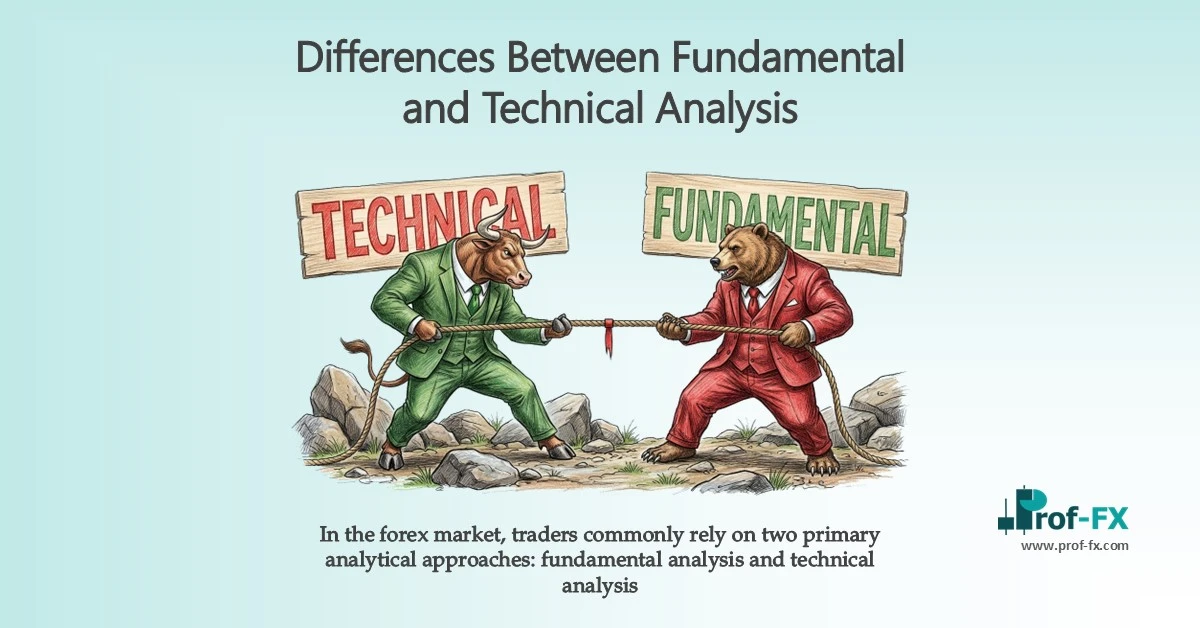
In the forex market, traders commonly rely on two primary analytical approaches: fundamental analysis and technical analysis. The ongoing debate regarding which method is superior reflects the diversity of trading styles rather than a definitive answer. Each approach serves a distinct purpose and provides unique insights into market behavior.
From a professional standpoint, understanding both methods is not optional, it is essential. Forex traders who can interpret both economic data and price action are better positioned to make informed and high-probability trading decisions.
Technical vs Fundamental Analysis: Key Comparison
| Aspect | Technical Analysis | Fundamental Analysis |
| Definition | Forecasts price movements using chart patterns | Evaluates economic data to determine intrinsic value |
| Data Considered | Price action (charts) | Inflation, GDP, interest rates, etc. |
| Time Horizon | Short, medium, and long term | Medium and long term |
| Skillset Required | Chart reading and pattern recognition | Economics and statistical analysis |
Fundamental Analysis
Fundamental analysis focuses on evaluating the economic health of a country, which directly influences the strength of its currency. Unlike technical analysis, it does not prioritize price charts but instead examines macroeconomic indicators to determine a currency’s fair value.
A fundamental trader typically analyzes:
- Inflation rates
- Gross Domestic Product (GDP)
- Trade balance
- Employment data
- Central bank benchmark interest rates
These variables collectively provide a structured and data-driven view of a country’s economic condition.
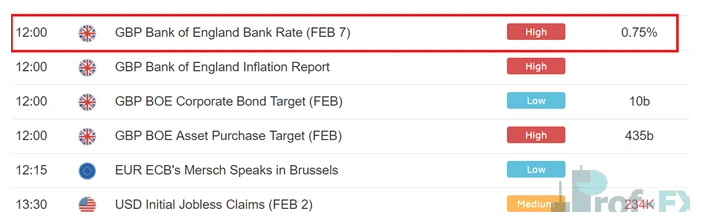
An essential tool for fundamental traders is the economic calendar, which tracks scheduled data releases and major economic events. Given the high volume of daily data, traders must filter relevant indicators to avoid information overload and focus on market-moving events.
By evaluating trends in these economic indicators, traders can assess whether a currency is likely to strengthen or weaken. This approach is grounded in macroeconomic logic and long-term valuation principles.
How Economic Data Affects Currency Strength
| Economic Indicator | Outcome | Expected Currency Impact |
| GDP | Better than expected | Positive |
| CPI (Inflation) | Better than expected | *Positive |
| Trade Balance | Deficit (imports > exports) | Negative |
| Interest Rates | Increase | Positive |
| ISM Manufacturing | Better than expected | Positive |
| PPI | Better than expected | Positive |
*In developed economies, moderate inflation is often interpreted as a sign of economic growth. In contrast, developing economies may benefit more from stable or declining inflation to maintain price stability.
It is important to emphasize that while these relationships are widely observed, currency movements are influenced by multiple factors, and no single data point guarantees a specific market reaction.
Technical Analysis
Technical analysis is centered on price action and chart patterns, allowing traders to identify trading opportunities based on historical price behavior. This method assumes that all relevant information is already reflected in the price.
Technical traders focus on:
- Chart patterns (e.g., triangles, flags, double bottom)
- Trends (bullish or bearish)
- Support and resistance levels
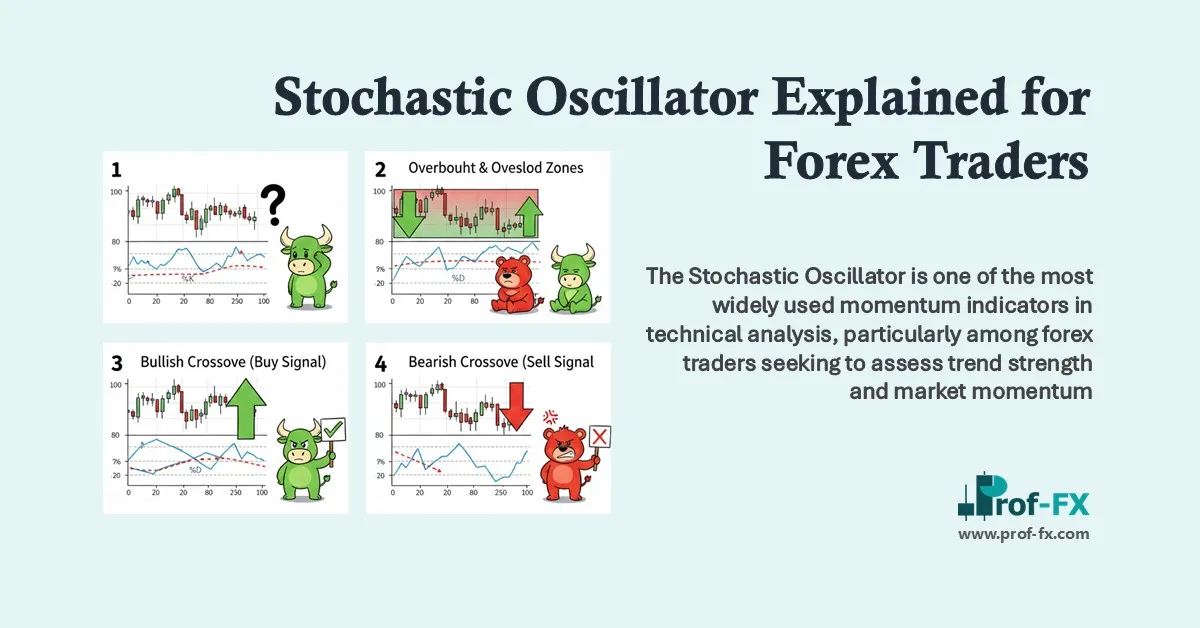
- Technical Indicators and oscillators
Unlike fundamental traders, technical traders are less concerned with the underlying causes of price movements. Instead, they rely on repeatable patterns and statistical probabilities.
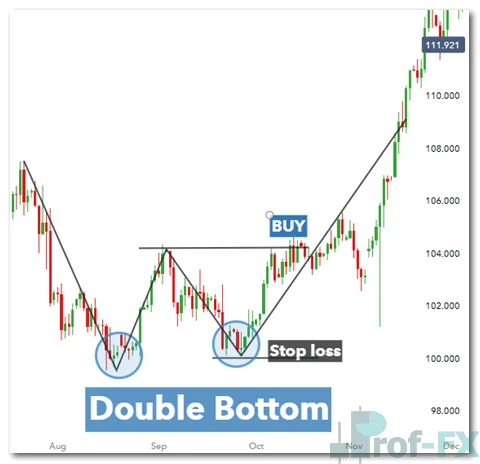
A common example is the double bottom pattern, which signals a potential bullish reversal. The market forms two lows, followed by upward momentum. Traders typically place a stop loss below the recent low and wait for confirmation through higher highs and higher lows before entering a long position.
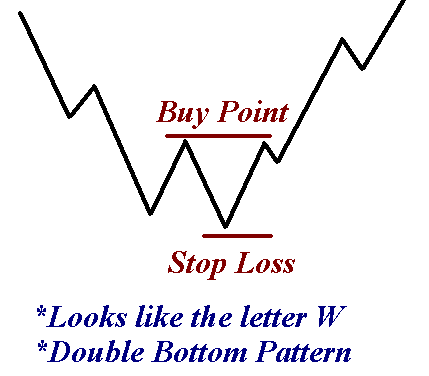
In real market conditions, this pattern can be observed clearly on charts such as the USD/JPY daily timeframe, where the characteristic “W” formation appears.
Technical traders continuously evaluate:
- Price action
- Trend direction
- Key support and resistance zones
Additionally, they utilize widely accepted indicators, including:
These tools are favored for their clarity, consistency, and ease of application in identifying entry and exit points.
The Benefits of Technical Analysis
Technical analysis provides a structured and practical framework for identifying market trends. Contrary to common misconceptions, it is not speculative or arbitrary; it is based on observable price behavior and statistical tendencies.
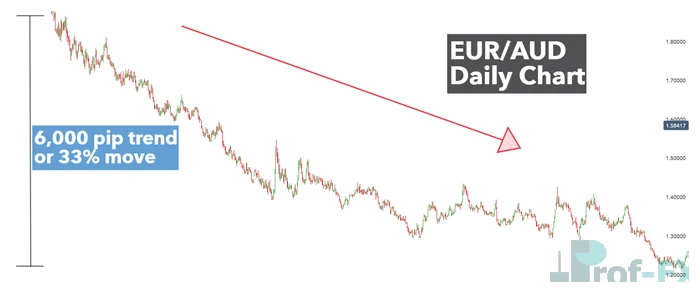
For example, a strong trend can extend over thousands of pips. Consider a scenario where one currency significantly outperforms another, such as a strong AUD against a weak EUR, resulting in a sustained downtrend in EUR/AUD.
In such cases, traders:
- Identify the prevailing trend
- Confirm it using support and resistance levels
- Use indicators for additional validation
- Execute trades in the direction of the trend
Trading in alignment with the trend significantly increases the probability of success. This principle is widely recognized as a cornerstone of technical trading.
Technical vs Fundamental Analysis in Forex: Conclusion
Fundamental and technical analysis represent two distinct yet complementary approaches to forex trading. Fundamental analysis provides macro-level insight into currency valuation, while technical analysis offers precision in timing trade entries and exits.
Relying solely on one method may limit a trader’s perspective. In contrast, combining both approaches enables a more comprehensive strategy, integrating economic context with actionable price signals.
From an expert standpoint, the most effective traders are those who synthesize both analytical frameworks, leveraging the strengths of each to improve decision-making and risk management.
Further Guidance for Traders
- Fundamental traders often trade around news releases. However, high-impact events can cause extreme volatility, making risk management, including proper use of stop loss, essential.
- Technical traders should explore multiple strategies to determine which aligns best with their trading style and psychological profile.
- Beginners are strongly advised to build a solid foundation through structured learning before engaging in live trading.
Prof FX delivers in-depth forex news and technical analysis, helping traders understand the key drivers behind global currency market movements.