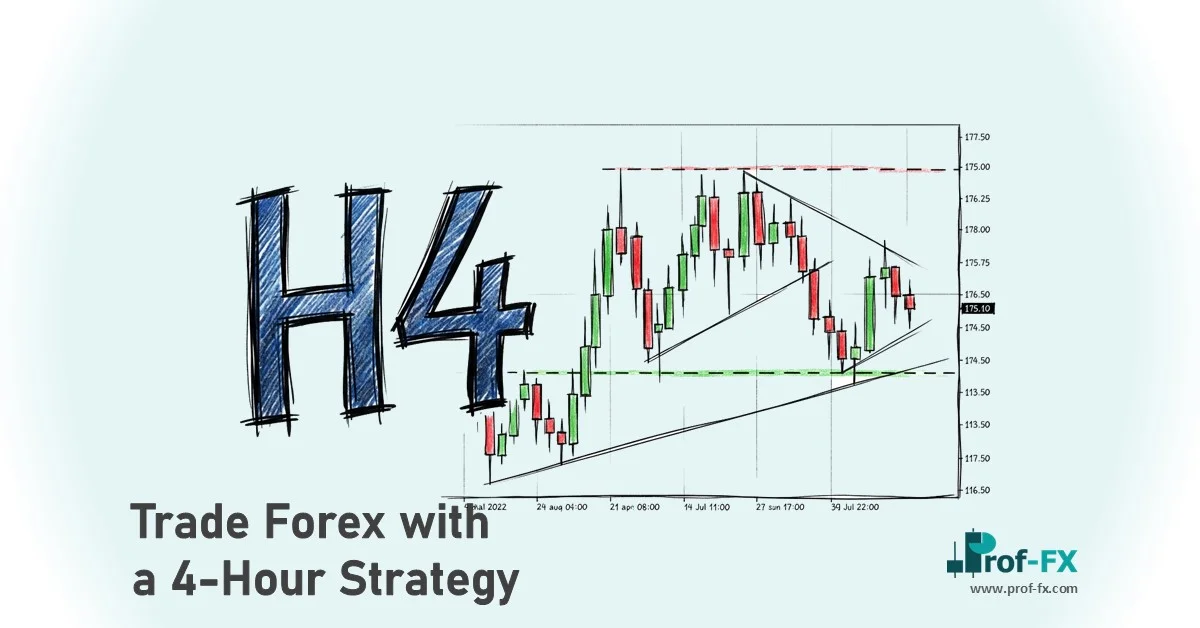
In modern markets, speed and constant activity often dominate perception. However, in professional trading, consistency, patience, and structure remain the defining factors of long-term success. A well-designed trading plan does not require constant screen time, in fact, it can be executed efficiently with as little as four hours per week.
This approach focuses on the 4-hour chart, combining price action analysis with disciplined execution to capture medium- to long-term market movements.
The Core of the 4-Hour Trading Approach
Unlike equity markets, the Forex market operates 24 hours a day. This makes the 4-hour timeframe particularly significant, as each candle reflects a meaningful portion of global trading activity.
Each 4-hour candle effectively captures:
- Half of a major trading session
- Shifts in sentiment between regions (Asia, Europe, US)
- Key transitions in liquidity and volatility
This structure allows traders to analyze market behavior without being overwhelmed by noise from lower timeframes.
Global Market Sessions Reflected
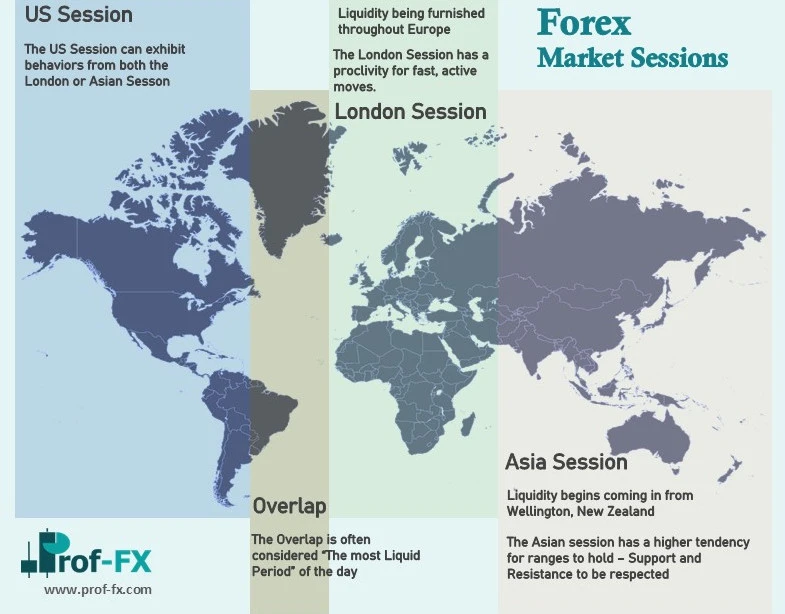
Because Forex is a continuous market, the 4-hour chart provides a balanced view of price action offering both clarity and actionable insight.
Time Commitment and Practical Routine
A structured routine can be implemented with minimal time investment:
- Monitor the close of each 4-hour candle
- Spend ~10 minutes analyzing price action per session
- Review 4–5 candles per day
This results in:
- 40–50 minutes per day
- Approximately 4 hours per week
This makes the strategy highly suitable for traders with full-time jobs or other commitments.
Step 1: Identify Strong Trends Using Price Action
The first step is to determine market direction using pure price structure:
- Uptrend → Higher-Highs and Higher-Lows
- Downtrend → Lower-Lows and Lower-Highs
This method eliminates reliance on indicators and focuses entirely on observable market behavior.
Trend Identification via Price Structure
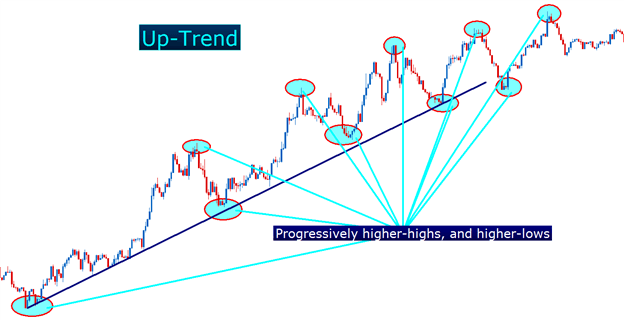
Strong trends are those that display clear, consistent progression in one direction. These are the environments where probability is most favorable.
Step 2: Trade in the Direction of the Trend
Once a trend is identified:
- Buy in uptrends
- Sell in downtrends
However, entering immediately is not optimal. Professional execution requires waiting for favorable pricing.
Step 3: Optimize Entries Using Price Action
Rather than chasing price, traders should:
- Wait for pullbacks
- Look for entries near support (in uptrends) or resistance (in downtrends)
This allows traders to “buy low” within an uptrend or “sell high” within a downtrend.
Buying After Pullbacks in an Uptrend
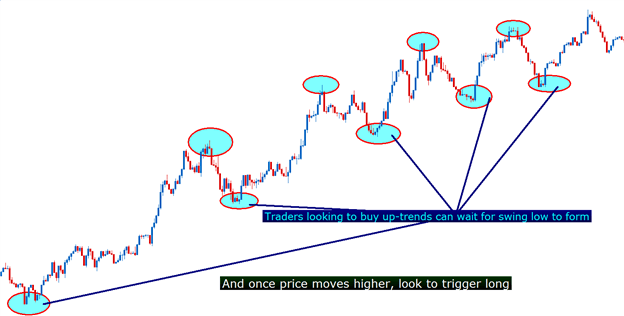
Pullbacks provide:
- Better risk-reward ratios
- Logical stop placement zones
- Reduced exposure to short-term volatility
Step 4: Use Candlestick Triggers for Confirmation
At key levels, traders can refine entries using price action signals such as:
- Pin bars
- Engulfing patterns
- Rejection wicks
These formations indicate that the market is reacting to support or resistance, increasing the probability of continuation.
Entry Confirmation with Bullish Price Action
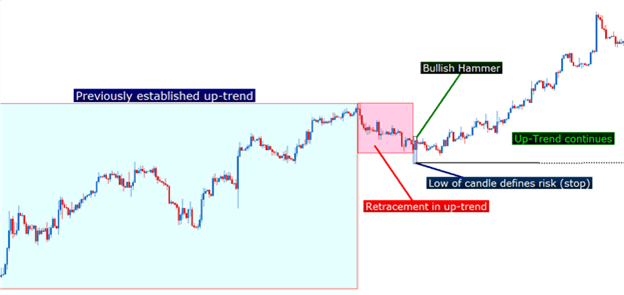
This step ensures that entries are based on confirmed behavior, not anticipation.
Step 5: Apply Risk Management with Stops and Targets
Risk management is a critical component of this strategy.
Every trade should include:
- A stop loss to limit downside risk
- A take profit to define reward
This enforces a favorable risk-to-reward ratio and removes emotional decision-making during trades.
There is no certainty in markets, only probabilities. Structured risk management ensures long-term survivability and consistency.
Trade Management Using the 4-Hour Cycle
The 4-hour structure naturally supports trade management:
- Review positions at each candle close
- Adjust stop losses (e.g., move to break-even)
- Take partial or full profits when appropriate
This creates a disciplined cycle of evaluation without constant monitoring.
Locking in Profits with Trailing Stops
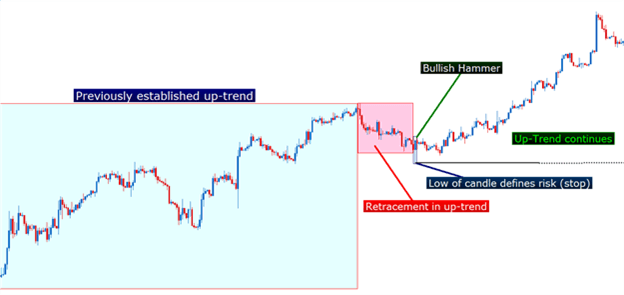
Trailing stops can be used to:
- Protect profits
- Maximize gains during strong trends
- Adapt to evolving market structure
Key Takeaway
The 4-hour trading plan is built on simplicity, structure, and discipline. It removes the need for constant screen time while maintaining a professional approach to market participation.
From an expert perspective:
- The 4-hour chart offers an optimal balance between clarity and opportunity
- Price action provides objective trend and entry signals
- Patience in waiting for pullbacks improves trade quality
- Risk management ensures long-term sustainability
Traders who follow this framework are not relying on prediction, they are aligning with market structure and executing with consistency, which is the true foundation of professional trading success.