
Forex (foreign exchange) is a financial giant, reigning as the largest market globally! With an estimated market size of around $2.4 quadrillion, it surpasses the combined US stock and bonds market by a staggering 30 times. Yet, the liquidity of forex varies across countries, influenced by various internal factors of each nation. A solid grasp of these concepts is crucial for Forex traders and investors, given the growing interconnection of economies!
Forex trading, or foreign exchange trading, involves the exchange of one currency for another with the aim of making a profit. With a daily turnover exceeding $7.5 trillion, Forex is the largest and most liquid financial market globally. Its decentralized nature allows traders to participate 24/5, spanning different time sessions and continents.
Liquidity: The Lifeblood of Forex Trading
Liquidity refers to an asset’s ability to be quickly bought or sold without significantly impacting its price. In Forex, liquidity ensures that traders can enter and exit positions seamlessly. Major factors influencing liquidity include economic indicators, geopolitical events, and market sentiment. Notably liquid currency pairs include EUR/USD, USD/JPY, and GBP/USD.
Market Size: Unmasking the Vastness of Forex
Market size pertains to the total value of trades occurring in a market. In Forex, the market size is unparalleled due to its sheer volume of daily trade. Currency pairs are categorized into major pairs (most traded), minor pairs, and exotic pairs, with differing levels of liquidity and risk.
Liquidity and Market Size Among Key Forex Currencies
Here are the top 15 countries by currency market capitalization based on research:
- China (CNY): As the world’s largest economy by some measures and a key player in international trade, China’s currency, the Chinese Yuan (CNY), holds significant market capitalization. With China’s rapid economic growth, the liquidity of the CNY has risen, attracting global attention.
- United States (USD): The US Dollar (USD) serves as the world’s primary reserve currency, enjoying unmatched liquidity and demand. It is involved in numerous major currency pairs, and the dynamics of the USD reverberate through the global financial markets.
- Euro Area (EUR): The Euro (EUR), as the shared currency of multiple European countries, boasts high liquidity. Pairs like EUR/USD are heavily traded, reflecting economic dynamics across the Eurozone, making the EUR a cornerstone of the global forex market.
- Japan (JPY): The Japanese Yen (JPY) is a favored safe-haven currency during times of uncertainty, driving its liquidity. The USD/JPY pair, in particular, is popular due to Japan’s status as an economic powerhouse.
- United Kingdom (GBP): The British Pound (GBP) is significantly influenced by the UK’s economic shifts and geopolitical factors. It offers substantial trading opportunities, and pairs like GBP/USD are watched closely by traders worldwide.
- Switzerland (CHF): The Swiss Franc (CHF) is renowned for its stability and is often sought in times of market turmoil. Despite Switzerland’s relatively small size, its currency’s market capitalization is bolstered by its reputation as a safe haven.
- Canada (CAD): The Canadian Dollar (CAD) finds prominence due to Canada’s vast natural resources and strong trade ties. The USD/CAD pair is notable, reflecting the economic interplay between Canada and the United States.
- Australia (AUD): The Australian Dollar (AUD) is closely linked to commodities, particularly metals and minerals. This relationship enhances the AUD’s liquidity, and AUD/USD is a key forex pair for traders tracking global commodity trends.
- Hong Kong (HKD): The Hong Kong Dollar (HKD) is bolstered by the city’s status as a global financial hub. Its peg to the USD maintains stability, and it remains a significant player in the Asian currency markets.
- Singapore (SGD): The Singapore Dollar (SGD) is buoyed by Singapore’s robust financial services sector and its role as a trading hub. Its stability and liquidity contribute to its notable market capitalization.
- Norway (NOK): The Norwegian Krone (NOK) benefits from Norway’s oil exports and prudent fiscal policies. Its liquidity is reinforced by Norway’s economic stability, making it a key Scandinavian currency.
- Sweden (SEK): The Swedish Krona (SEK) is associated with Sweden’s export-oriented economy. Its liquidity is supported by Sweden’s industrial prowess and its role in international trade.
- Russia (RUB): The Russian Ruble (RUB) reflects the country’s rich natural resources and geopolitical position. While its liquidity can be influenced by global energy prices, it remains a substantial player in the forex market.
- Mexico (MXN): The Mexican Peso (MXN) is influenced by Mexico’s trade with the US and its position as a major emerging market. Its market capitalization reflects Mexico’s economic ties and potential.
- Thailand (THB): The Thai Baht (THB) is notable for Thailand’s tourism and export sectors. Its stability and potential for growth contribute to its place among the top 15 currencies by market capitalization.
Currency market capitalization refers to the total value of a country’s currency in circulation. It is influenced by factors such as the size of the economy, the level of international trade, and the stability of the country’s political and economic systems. Discover the crucial economic data that influence foreign exchange rates!
How does the Liquidity of a Currency affect its Exchange Rate?
The exchange rate of a currency can be influenced by its liquidity in various manners. Here are a few potential outcomes:
- Increased liquidity may drive a currency’s exchange rate higher: Studies indicate that the level of an exchange rate could rely on the proportion of currency employed for asset transactions. A currency that possesses high liquidity could draw more attention from investors and traders, thereby boosting its demand and causing its value to rise.
- Alterations in liquidity yield can wield an impact on exchange rates: Another research piece discovered that modifications in liquidity yield can play a significant role in elucidating shifts in exchange rates across different nations. This implies that shifts in liquidity conditions can impact the availability and request for a currency, ultimately influencing its exchange rate.
- Exchange rates can be influenced by liquidity shocks: A scholarly paper that delves into liquidity management within fixed exchange rate frameworks underscores those unexpected fluctuations in liquidity, brought about by foreign reserves, have the potential to influence interest rates in money markets and introduce obstacles in foreign exchange markets. Such dynamics could endanger the stability of financial systems and hinder market growth. This underscores the notable influence of liquidity conditions on exchange rates, particularly in setups with fixed exchange rates.
- Economic fundamentals also wield an impact on exchange rates: Although liquidity conditions play a role in exchange rate fluctuations, economic fundamentals encompassing factors like interest rates, inflation, and economic growth also hold significance. Consequently, it is imperative to encompass both liquidity and fundamental aspects while scrutinizing shifts in exchange rates.
In summary, the liquidity of a currency holds the capability to exert diverse effects on its exchange rate. These encompass alterations in supply and demand, the consequences of liquidity shocks, and their interplay with economic fundamentals.
How to Take Advantage of the Forex Market?
To take advantage of the Forex market, traders often use various methods of analysis to make informed trading decisions.
Here are the top three types of analysis used in Forex trading:
Fundamental Analysis:
Fundamental analysis is all about analyzing economic indicators, news events, and other factors that can impact currency values. Traders who use this approach dive into factors like interest rates, GDP growth, inflation, employment data, and even geopolitical events to get a grasp of a country’s economy. By understanding these underlying forces that drive currency movements, traders can make informed decisions based on economic fundamentals. It’s like having a conversation with the market itself!
Technical Analysis:
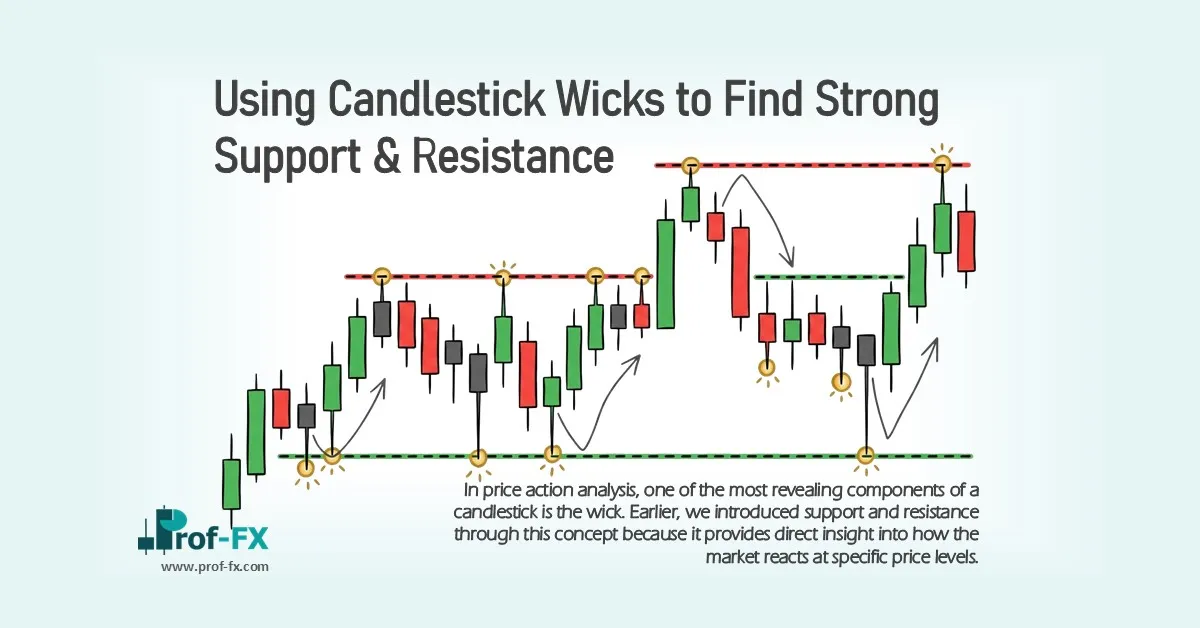
Mastering the art of technical analysis is like decoding the market’s secret language. By diving into historical price data and unleashing the power of charting tools, traders unveil hidden patterns, trends, and potential price movements. With moving averages, support and resistance levels, and oscillators as their weapons, they navigate the ever-changing market landscape and make trading decisions that conquer both price patterns and market trends.
Sentiment Analysis:
Sentiment analysis is all about gauging the overall market sentiment and investor psychology to figure out where currency prices are headed. Traders who use sentiment analysis take a look at various factors like market sentiment indicators, news sentiment, and social media sentiment to assess whether traders are feeling bullish or bearish about a particular currency. This kind of analysis helps traders understand market sentiment better and can even act as a contrarian indicator when sentiment becomes excessively bullish or bearish. Pretty cool, huh?