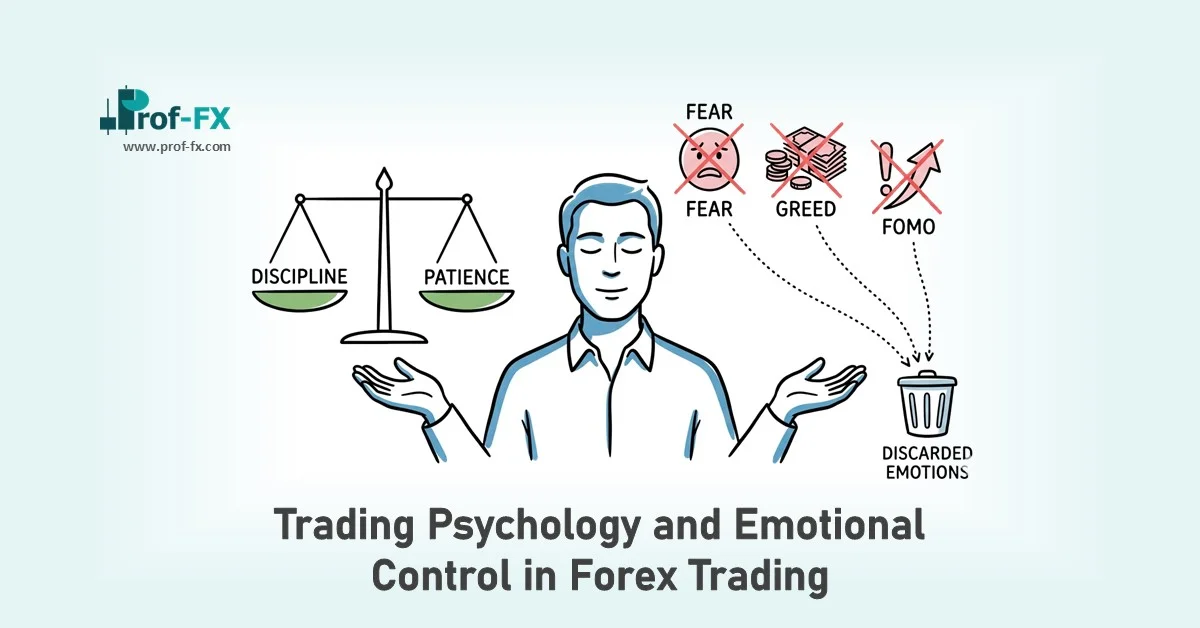
To begin today’s discussion on trading psychology, it is important to revisit one of the most repeated statements in the financial markets: “Don’t trade with emotion.” The question is, is that truly possible? In reality, traders are human beings, not machines. Attempting to completely suppress emotions is neither practical nor sustainable in real market conditions.
Discretionary traders, unlike quantitative traders, are actively involved in the decision-making process. They are not simply programming algorithms or automated criteria to remove personal judgment from trading execution. As a result, emotions naturally become part of the trading environment.
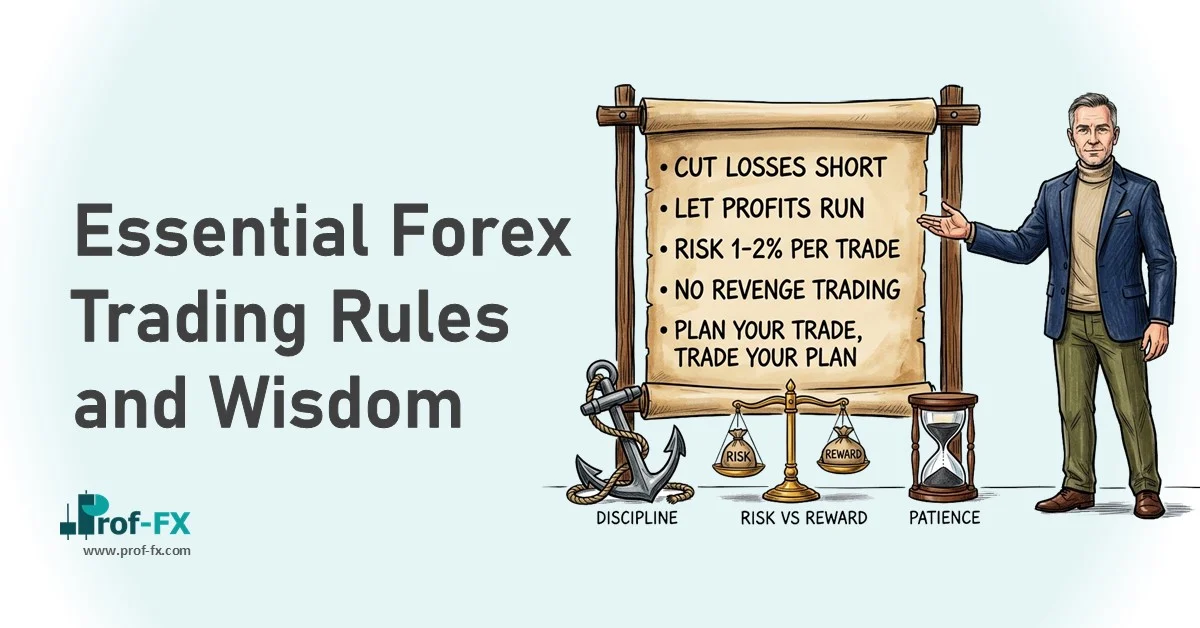
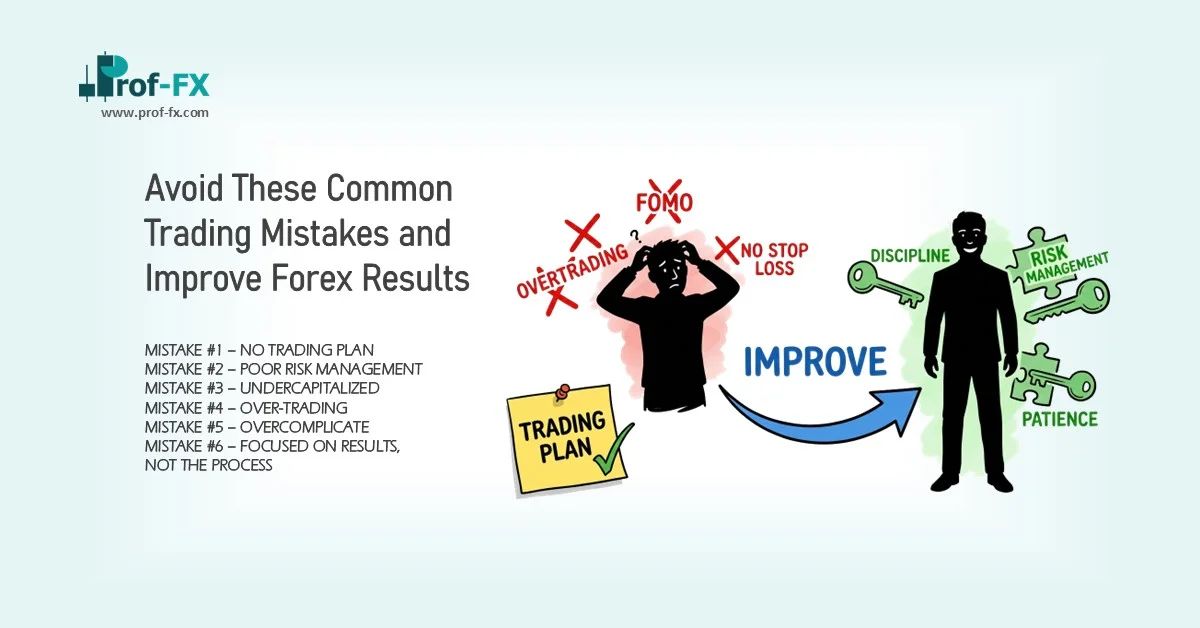
However, although discretionary trading involves human judgment, it remains essential to establish strict and clearly defined rules to guide every trading decision and control risk exposure effectively. This is where a structured trading plan becomes critical. A well-designed trading plan serves as the foundation for minimizing destructive emotions such as fear while reinforcing constructive emotions such as confidence and conviction.
Even with thorough preparation, traders will still encounter thoughts and emotions that influence performance. This is why self-awareness becomes one of the most important psychological skills in trading. Strong self-awareness allows traders to recognize their strengths, weaknesses, behavioral tendencies, and emotional reactions under different market conditions.
Fear, for example, is one of the most common emotional challenges in forex trading. The important question is not whether fear exists, but rather what is causing it. In many cases, fear originates from trading with excessively large position sizes. When traders use improper lot sizing or exceed acceptable risk limits, market volatility becomes psychologically amplified. As a result, traders often make irrational decisions they normally would not make under controlled risk conditions.
The most effective solution is often straightforward: reduce trading size to a manageable level. Proper position sizing helps stabilize emotional reactions and allows traders to make decisions with greater clarity and discipline.
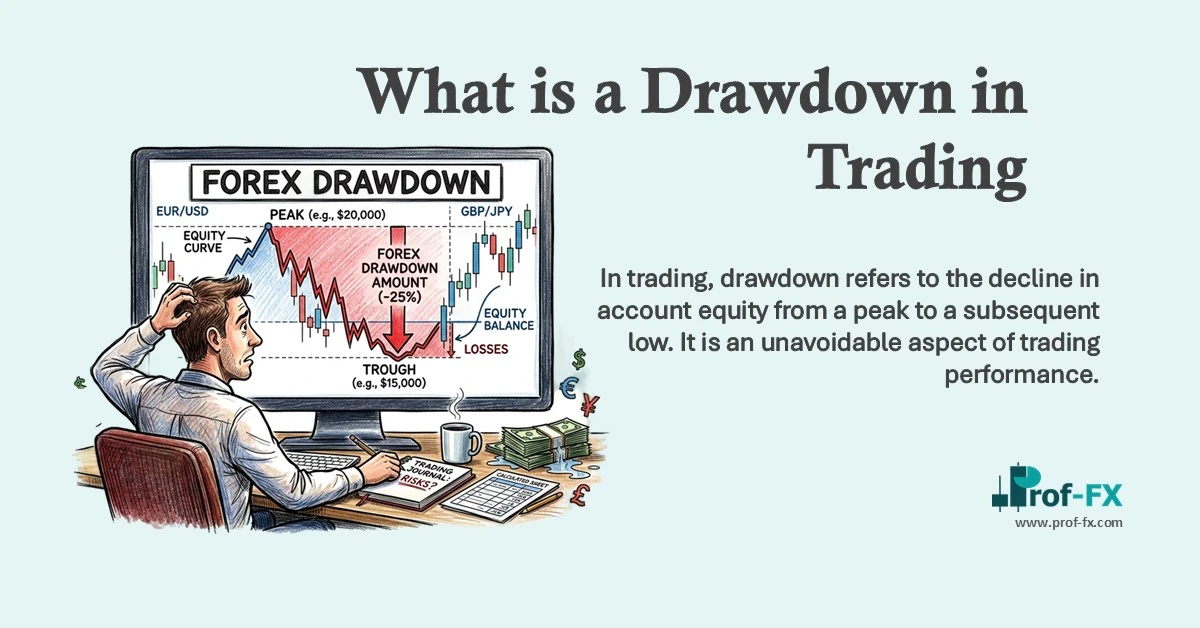
In some situations, fear may stem from a deeper issue. A trader may be experiencing the psychological impact of a losing streak or a significant drawdown. Drawdowns are a natural component of trading and are unavoidable even for experienced professionals. However, when drawdowns become excessive or unmanaged, they can create not only financial damage but also severe psychological pressure.
When this situation occurs, the first and most important step is acknowledgment. Traders must honestly recognize that they are struggling psychologically and temporarily step away from the market. Removing yourself from active trading environments helps reduce emotional stress and prevents additional impulsive decisions.
Taking a break from trading is often highly effective in restoring emotional stability. Once emotional pressure begins to ease, traders can focus on identifying the root causes behind their recent performance problems.
From there, improvements should be approached systematically. Attempting to fix every weakness simultaneously often creates additional confusion and emotional overload. Instead, traders should resolve issues one step at a time. Once confidence in the revised trading process is restored, returning to the market with very small and psychologically manageable trading size is the most prudent approach.
At this stage, the objective is not to recover losses quickly. The primary goal is to rebuild consistency by focusing on executing high-quality trades according to the trading plan. Confidence is restored through disciplined execution, not through aggressive attempts to recover previous losses.
Conviction and excitement are examples of positive emotions that can support trading performance when properly aligned with analysis and discipline. Before executing a trade, traders should feel a reasonable level of confidence in their market analysis and trade setup. Conviction is often the final psychological confirmation before entering a position.
If conviction is completely absent, there is a strong possibility that the trade does not genuinely align with the trader’s analysis or strategy. In this context, the “right” trade refers to a setup that fully matches the trader’s established trading criteria and market understanding.
It is important to understand that even good trades can result in losses, while poor trades may occasionally become profitable. Successful trading is not determined by isolated outcomes but by maintaining long-term consistency in executing quality trade setups. Evaluating whether genuine conviction exists before entering a trade can help traders avoid unnecessary or emotionally driven decisions.
If conviction or excitement is lacking despite the presence of a technically valid setup, the issue may be related either to market conditions or psychological state. For example, excessively volatile conditions may not fit a trader’s strategy. In other situations, recent losses may have created fear and hesitation that interfere with decision-making.
Avoiding unfavorable market conditions is a professional and disciplined decision. Likewise, choosing not to trade while emotionally compromised demonstrates maturity and risk awareness. In many cases, reducing trading size significantly can help traders regain emotional balance and confidence.
Another emotional challenge traders frequently encounter is greed or overconfidence. Interestingly, overconfidence often develops after periods of strong trading performance. While positive results can increase confidence, they can also encourage reckless behavior if not properly controlled.
The danger of overconfidence is that traders may gradually abandon risk management principles, ignore stop loss discipline, or begin taking lower-quality setups. Eventually, this behavior often leads to substantial drawdowns or significant trading losses.
Recognizing this emotional state through self-awareness is essential. During periods of strong performance, traders should become even more disciplined with trading mechanics, including proper stop loss placement, take profit targets, risk management, and setup selection.
Consistent profitability can sometimes hide inefficiencies within a trading approach. A trader may appear successful in the short term while unknowingly developing habits that could become harmful over the long run. Careful self-evaluation during profitable periods is therefore just as important as evaluation during losing periods.
To summarize, effective trading psychology begins with SELF-AWARENESS. Traders must learn to recognize, understand, and evaluate their emotions objectively. Emotions directly influence decision-making quality, risk management, and trading discipline.
By listening to emotional signals and identifying their underlying causes, traders can connect objective market analysis with subjective emotional responses. This process helps ensure that trading decisions are made within the proper psychological framework, which is essential for maintaining consistency and long-term success in forex trading.