The Chinese yuan (CNY) is considered to be an exotic currency in the Forex market.
The most important thing you need to know about the Chinese yuan is that it is pegged to a basket of currencies, the most important of which are the U.S. dollar (USD), the euro (EUR), and the Japanese yen (JPY). Before July 21, 2005, the yuan was pegged at 8.11 yuan per U.S. dollar. However, at the time of this writing, the value of the yuan has climbed to 6.60 yuan per U.S. dollar.
China is the world’s second largest economy (CIA.gov).
Trade Surplus or a Trade Deficit
China runs a trade surplus of $272.5 billion, giving the country a ranking of 1 out of the 190 countries tracked by the CIA in The World Factbook (CIA.gov).
What Does Your Economy Export?
China exports electrical and other machinery, data-processing equipment, apparel, textiles, iron, steel, and optical and medical equipment.
According to the World Trade Organization (WTO), China exports $1,201.5 billion in goods and merchandise compared to only $128.6 billion in commercial services. The WTO breaks down those exports as follows:
Goods and Merchandise
- Agricultural products: 3.4 percent
- Fuels and mining products: 2.9 percent
- Manufactures: 93.6 percent
Commercial Services
- Transportation: 18.4 percent
- Travel: 30.9 percent
- Other commercial services: 50.8 percent
To Whom Does Your Economy Export?
The WTO ranks the following countries as the top destinations for exports from China:
- European Union: 19.7 percent
- United States: 18.4 percent
- Hong Kong: 13.8 percent
- Japan: 8.1 percent
- Korea: 4.5 percent
What Does Your Economy Import?
China imports electrical and other machinery, oil, mineral fuels, optical equipment, medical equipment, metal ores, plastics, and organic chemicals.
According to the WTO, the country imports $133.8 billion in goods and merchandise compared to only $37.8 billion in commercial services. The WTO breaks down those imports as follows:
Goods and Merchandise
- Agricultural products: 7.6 percent
- Fuels and mining products: 24.9 percent
- Manufactures: 67.1 percent
Commercial Services
- Transportation: 29.5 percent
- Travel: 27.6 percent
- Other commercial services: 42.9 percent
From Whom Does Your Economy Import?
The WTO ranks the following countries as the top sources 01 imports to China:
- Japan: 13.0 percent
- European Union: 12.7 percent
- Korea: 10.2 percent
- China: 8.6 percent
- Taipei: 8.5 percent
Do You Have an Attractive Government Debt Market?
China currently has a Moody’s rating of Aa3. It received this latest rating on November 11, 2010. This most recent rating was an upgrade from the Al rating that the country had held previously. This is a positive sign for the country’s government debt market.
Do You Have an Attractive Equities Market?
China has an attractive equities market. It is the fourth largest equities market in the world, with a total market value of $5.008 trillion (CIA.gov)
Central Bank Mandate
The objective of the monetary policy of the People’s Bank of China (PBC) is to maintain the stability of the value of the currency and thereby promote economic growth.
The People’s Bank of China has foreign currency reserves of $2,850,000 million47 and gold deposits of $371,000,000 million.
Government Intervention in Forex
Since the Chinese yuan is pegged to a basket of currencies, the Chinese government frequently intervenes in the Forex market.
Important Economic Announcements
When you are watching the economic announcements coming out of China, make sure that you keep your eye on the following:
- Interest rates and reserve requirements
- Inflation
- Gross domestic product (GDP)
- Trade balance
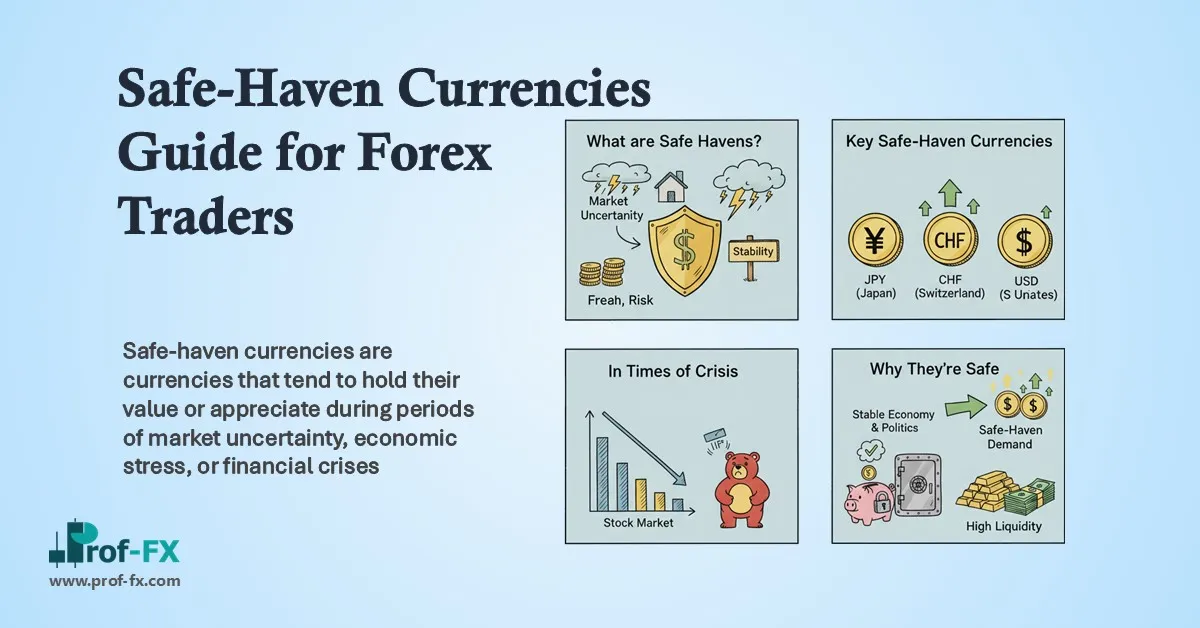
Are You a Safe-Haven Currency?
No, the Chinese yuan is not considered to be a safe-haven currency.
How Can I Trade You?
You can trade the Chinese yuan using either of the following:
- Exchange-traded funds (ETFs)
- Exchange-traded notes (ETNs)