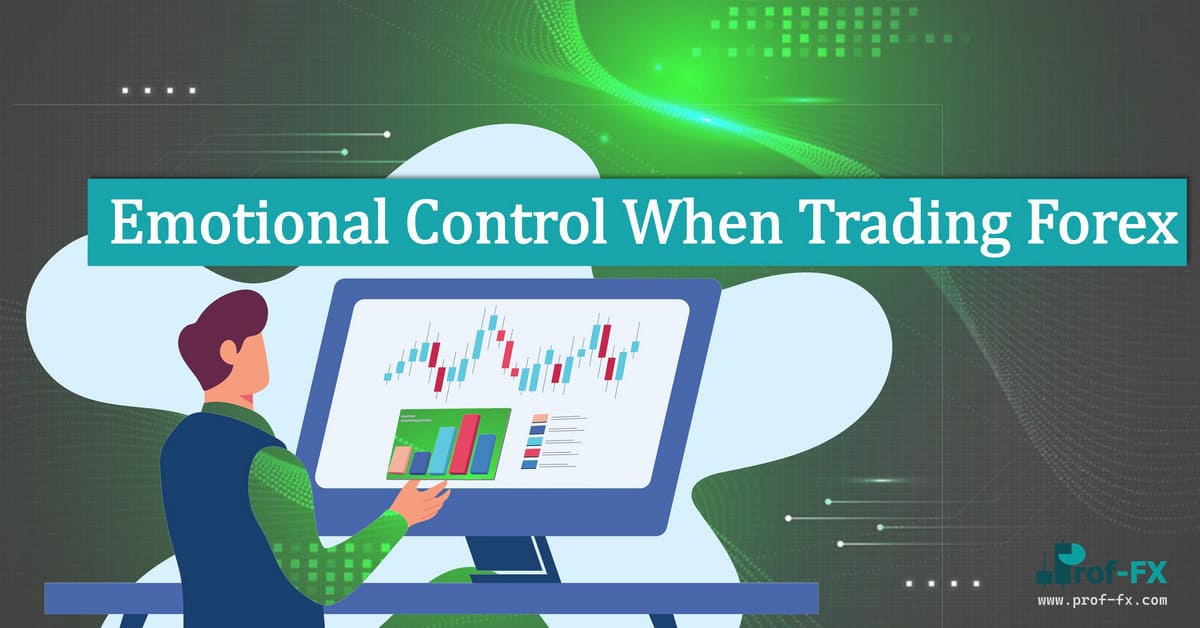

It is important for every forex trader to be able to manage his or her emotions so as to not interfere with FX trading decisions. Oftentimes, the certain emotions that are felt while trading can cloud the trader’s judgement and prevent him or her from seeing the situation clearly.
The most common human emotion encountered in FX trading is the fear of losing. However, in the trading world, losing is all part of the game. There has never been a trader who hasn’t experienced a single loss in his entire trading career.
Of course the natural human instinct is to protect one’s account or one’s profits so much so that this goal tends to supersede all other FX trading goals, such as sticking to the plan or being able to adjust to current market dynamics.
If a trader is solely focused on his fear of losing, he might be prone to setting his stops too tight or being too careful with his open trade. While there’s nothing wrong with practicing extra caution, anything in excess tends to be harmful.
For instance, being too careful might prompt a trader to adjust his stops too early or too close to the current market price that the trade doesn’t have enough breathing room. Retracements or a spike in volatility could trigger that stop right away and prevent the trader from staying on the overall trend.
FX Trading and Greed
Another common human error in FX trading is being too greedy. If a trader is extremely obsessed with making huge returns, he might be tempted to forego his trade plan or risk management rules just to be able to catch big profits.
While it’s normal to press your advantage when the market shows signs of price action continuing in a particular direction, abandoning your trade plan and risk rules shows a lack of discipline.
Also, traders that are too greedy might decide to double or triple their usual risk on a trade they feel very confident about.
Of course there are no guarantees when it comes to price action so there’s always the chance that the pair could go in the opposite direction that they predicted. With a larger than usual risk amount, it might be difficult for the trader to bounce back from the loss and make the same amount back in his next trades.
In fact, this could even result to a huge dent in the trader’s psychology, which has potentially damaging effects as well.