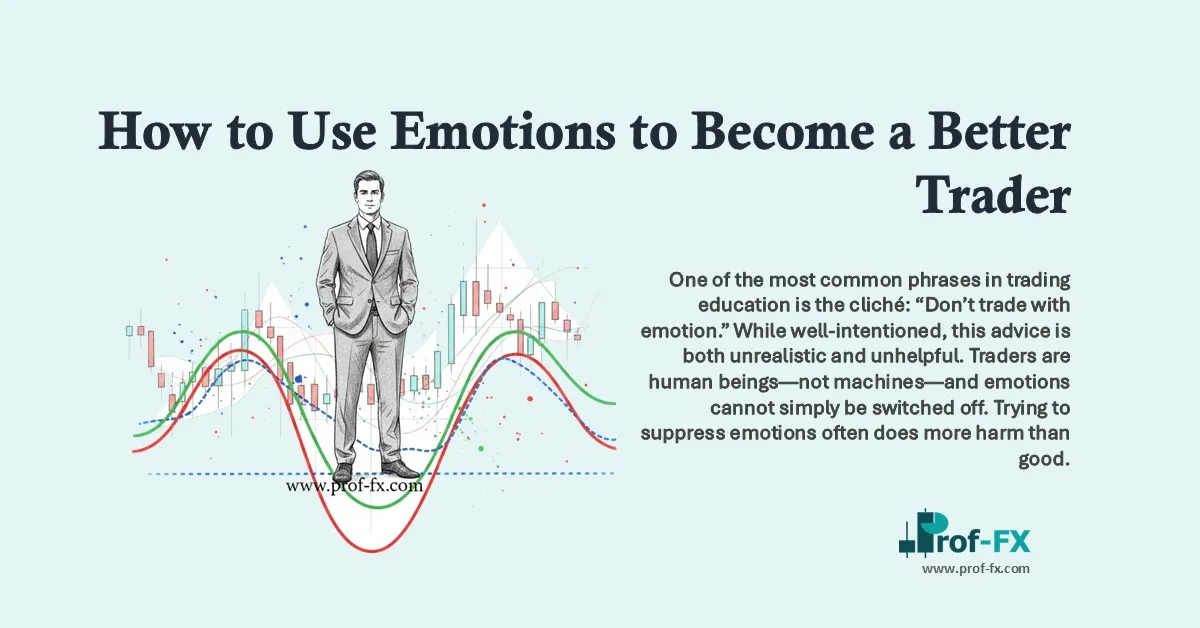
One of the most common phrases in trading education is the cliché: “Don’t trade with emotion.” While well-intentioned, this advice is both unrealistic and unhelpful. Traders are human beings—not machines—and emotions cannot simply be switched off. Trying to suppress emotions often does more harm than good.
As discretionary traders, we actively participate in decision-making rather than relying solely on algorithms or quantitative models. Unlike systematic or quantitative traders, we cannot remove ourselves entirely from the process. However, this does not mean emotions should control our trades. Instead, emotions should be understood, managed, and used constructively.
The foundation for doing this is a well-defined trading plan. A structured plan provides firm rules for trade execution and risk management, helping reduce destructive emotions such as fear while reinforcing constructive emotions such as confidence and conviction.
Why Emotional Awareness Matters in Trading
No matter how well prepared a trader is, emotions will always be present. The key difference between struggling traders and consistently profitable ones lies in self-awareness.
Self-awareness allows traders to identify cause and effect:
- What am I feeling right now?
- What caused this emotion?
- How is it influencing my decisions?
This concept is central to trading psychology and cannot be overstated. Once traders recognize emotional triggers, they can address the underlying cause rather than reacting impulsively.
Understanding Fear: The Most Common Trading Emotion
Fear is one of the most frequent emotions traders experience. While fear itself is not inherently bad, unmanaged fear can lead to hesitation, early exits, or avoiding valid trade setups altogether.
Trading Too Large
One of the most common causes of fear is excessive position sizing. When traders risk more capital than they are psychologically comfortable losing, normal market fluctuations feel threatening. This pressure often leads to irrational decisions that would not occur with proper sizing.
The solution is straightforward: reduce trade size to a level where losses are emotionally tolerable. Smaller size restores clarity and improves decision-making.
Being in the “Wrong” Trade
Another source of fear comes from trades that do not fully align with a trader’s trading plan. Even if a trade is technically profitable, it can still feel uncomfortable if it violates predefined rules.
Using a trading checklist—either written or mental—helps ensure every trade meets your criteria before execution. This reinforces discipline and keeps traders aligned with their strategy.
Fear Caused by Drawdowns
Drawdowns are an unavoidable part of trading. However, when losses accumulate beyond a trader’s comfort level, fear can escalate into decision paralysis.
If this happens, the first step is acknowledgment. The second step is to step away from the market. Taking a break reduces emotional pressure almost immediately. Afterward, traders should analyze what caused the drawdown and address issues one at a time, rather than trying to fix everything simultaneously.
When returning to trading, using inconsequential position size is crucial. The goal is not to recover losses quickly, but to rebuild confidence through quality execution.
Confidence and Conviction: Emotions Worth Cultivating
While fear must be managed, emotions such as confidence, conviction, and healthy excitement should be encouraged.
Every trade entered should carry a sense of conviction. If conviction is absent, it often indicates that the trade does not fully meet the trader’s plan criteria. This does not mean the trade will lose—but it does suggest the trader is not aligned with their process.
It is important to understand that:
- Good trades can lose
- Bad trades can win
Success comes from consistently trading good setups, regardless of outcome. Conviction helps ensure that wins and losses occur only within the framework of a sound strategy.
When Stepping Aside Is the Best Decision
If a trade setup is technically valid but lacks conviction, the cause may be either market-related or personal.
- Market conditions may be too volatile or unclear
- The trader may not be mentally focused or emotionally balanced
In both cases, not trading is a valid decision. Traders should never look to the market as a way to improve their emotional state. Trading to “feel better” often results in poor execution and larger losses. Sometimes, the most professional trade is no trade at all.
Managing Greed and Overconfidence
Greed and overconfidence often appear after a period of strong performance. While confidence is positive, unchecked overconfidence can lead to sloppy execution, rule-breaking, and eventually a drawdown.
Recognizing this emotional state early is essential. This is the moment to refocus on:
- Proper stop-loss placement
- Predefined profit targets
- Risk-to-reward discipline
- Strict adherence to trade criteria
Overconfidence does not end winning streaks—poor discipline does.
Final Thoughts: Trading Begins with Self-Awareness
Successful trading starts with self-awareness. By listening to emotions rather than ignoring them, traders can connect objective causes with subjective feelings.
Understanding why you feel fear, excitement, or overconfidence allows you to respond rationally instead of reacting emotionally. When emotions are recognized and managed properly, they become valuable signals rather than obstacles.
In the end, becoming a better trader is not about eliminating emotion—it is about using emotion intelligently to stay aligned with your strategy, risk management, and long-term goals.