
Are you a medium-term technical trader who relies on automation software to execute forex trades? Or perhaps you prefer a long-term fundamental approach, placing discretionary trades based on macroeconomic analysis? With so many ways to participate in the forex market, it is easy to feel overwhelmed.
The reality is that traders come in many styles and variations, each shaped by time availability, personality, risk tolerance, and market understanding. In this article, I will break down the most common trader styles in a clear and practical way, helping beginner traders understand where they may naturally fit.
Technical Analysis vs Fundamental Analysis
One of the first distinctions traders encounter is between technical and fundamental analysis.
Technical Analysis in Forex Trading
Technical analysis focuses on studying historical price behavior to anticipate future price movements. Traders who use this approach concentrate almost exclusively on price charts and often apply technical indicators and analytical tools to support decision-making.
Technical traders analyze:
- Price action
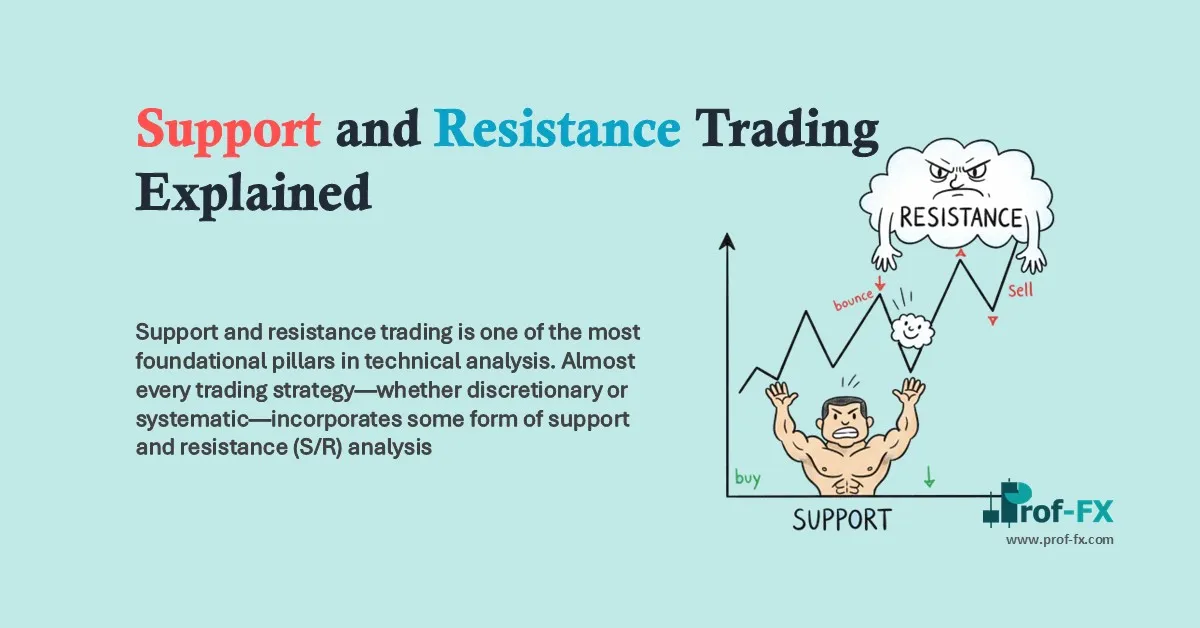
- Support and resistance levels
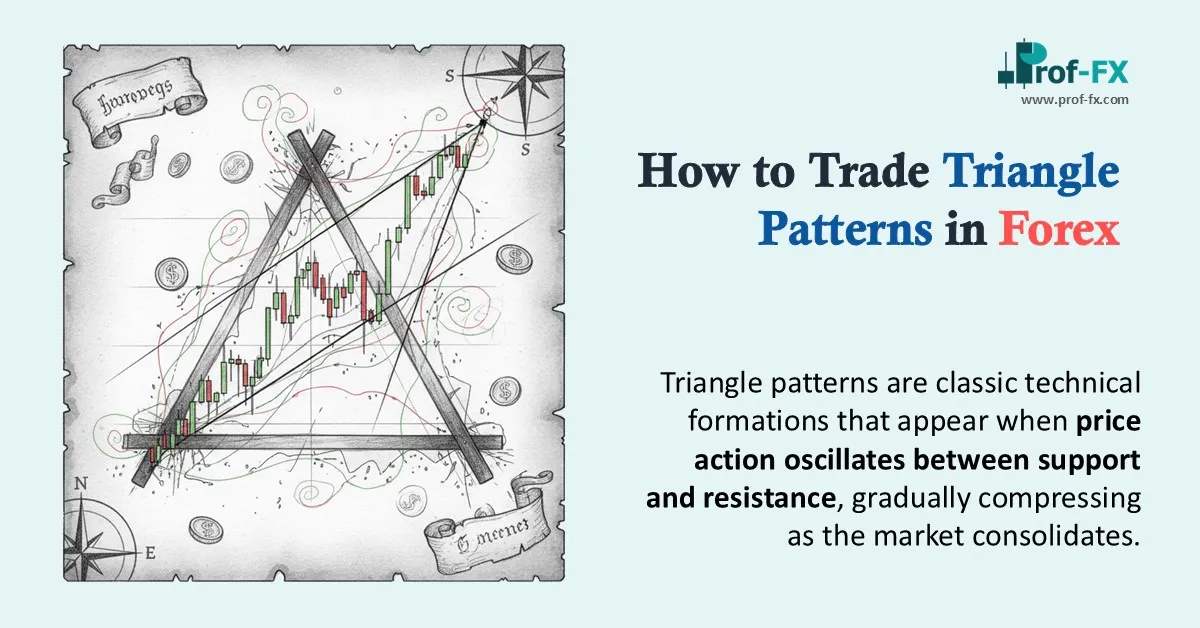
- Chart patterns
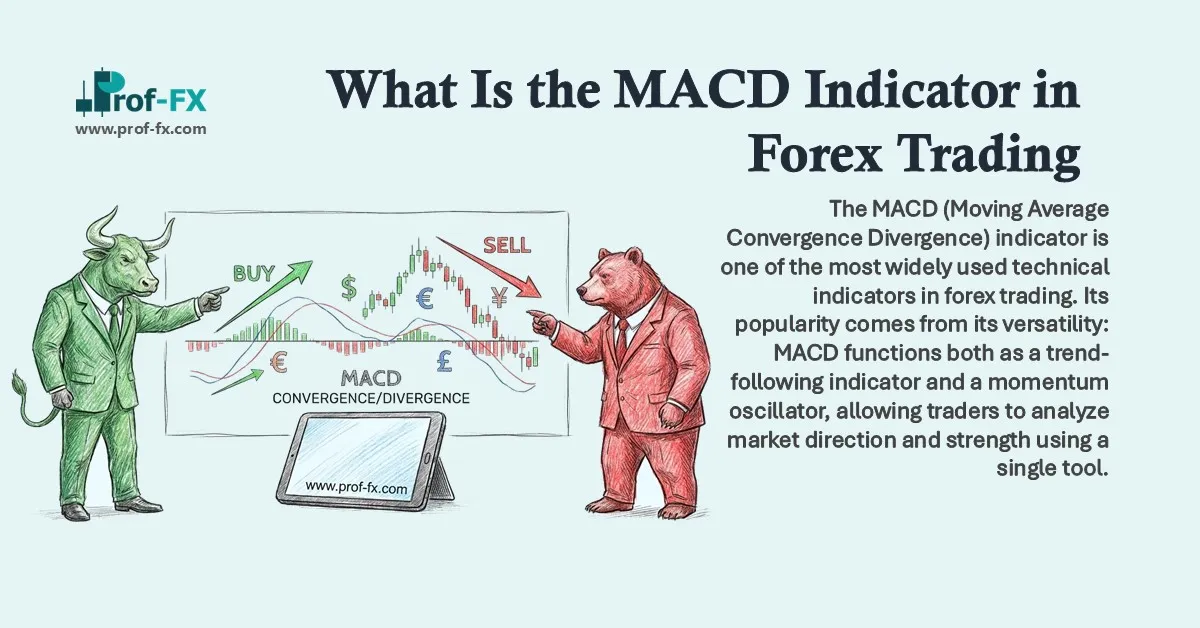
- Indicators such as moving averages, RSI, MACD, or Bollinger Bands®
The goal is to identify repeatable patterns and market structures that can be translated into a trading strategy with a statistical edge.
Fundamental Analysis in Forex Trading
Fundamental analysis, on the other hand, examines the economic forces behind a currency’s value. Fundamental traders closely monitor economic calendars, central bank announcements, and macroeconomic indicators to assess currency strength or weakness.
Key data points often include:
- Interest rate decisions
- Employment figures and jobless claims
- Inflation data
- Government bond and treasury yields
This analysis can be conducted by studying historical reactions to economic releases or by developing a deeper understanding of a country’s overall economic health. Central banks such as the Federal Reserve, European Central Bank (ECB), and Bank of England play a critical role in shaping forex supply and demand through monetary policy decisions.
Short-Term, Medium-Term, and Long-Term Trading Styles
Choosing a trading time frame is largely influenced by how much time you can realistically dedicate to the market on a daily basis. While traders with more screen time may prefer shorter time frames, the decision ultimately depends on lifestyle and personal preference.
Short-Term Trading (Day Trading and Scalping)
Short-term trading involves opening and closing positions within the same trading day. This style is commonly referred to as day trading, while extremely fast entries and exits are known as scalping.
Because trades develop quickly, short-term traders typically use smaller time frames such as:
- 1-minute
- 5-minute
- 15-minute
- 30-minute
- Hourly charts
This approach requires constant market monitoring and strong discipline, as decisions must be made rapidly and consistently.
Medium-Term Trading (Swing Trading)
Medium-term trading, often called swing trading, involves holding positions for several hours up to a few days. This style aims to capture price “swings” within broader market trends.
Common chart time frames for swing traders include:
- Daily charts
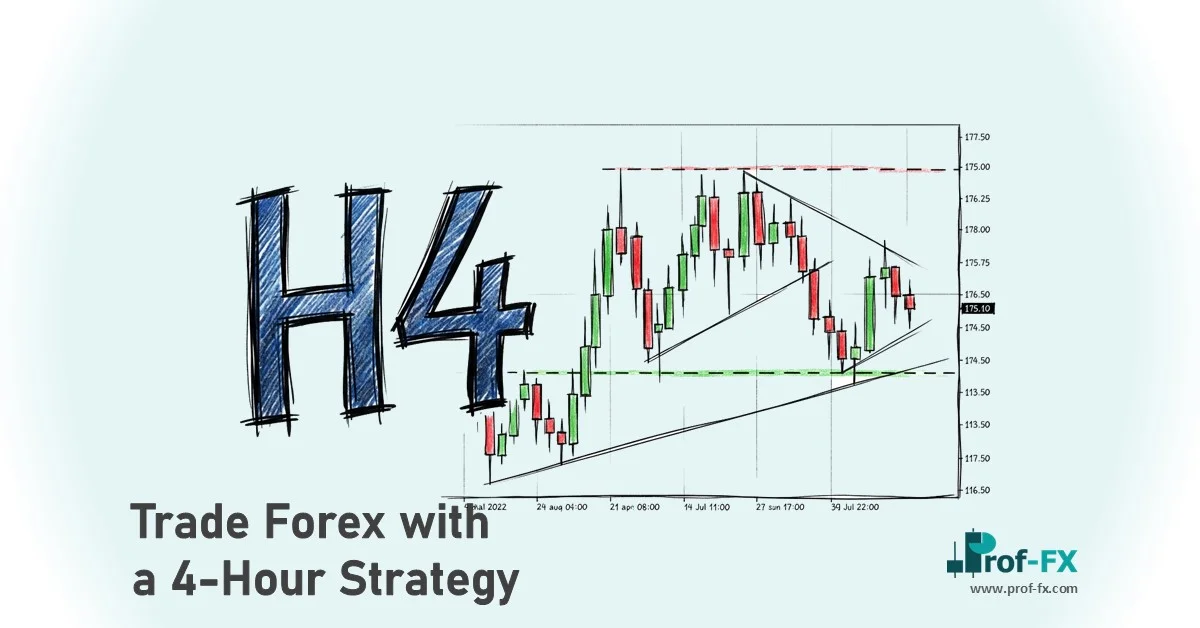
- 4-hour charts
- Hourly charts
Swing trading strikes a balance between market engagement and time commitment, making it popular among traders who cannot monitor the markets continuously.
Long-Term Trading (Position Trading)
Long-term trading focuses on holding positions for days, weeks, months, or even years. Traders using this approach often rely on a combination of fundamental analysis and higher time-frame technical structures.
Weekly and daily charts are most commonly used. For part-time traders or those with limited screen time, long-term trading can be a practical starting point, as it requires fewer decisions and less frequent market monitoring.
For a deeper understanding of how to combine multiple time frames effectively, studying structured approaches to multi-time-frame analysis is highly recommended.
Discretionary Trading vs Automated Trading
Another key distinction among traders lies in how trades are executed.
Discretionary Trading Explained
Discretionary trading means that all trade decisions—entries, exits, and risk management—are made manually by the trader. While discretionary traders may follow a structured strategy, execution ultimately depends on personal judgment.
The first challenge is developing a profitable trading plan. The second, and often more difficult challenge, is consistently following that plan. Emotional factors such as fear, greed, and hesitation can undermine even the most well-designed strategies if discipline breaks down under pressure.
Trading psychology plays a significant role in discretionary trading success.
Automated and Algorithmic Trading
Automated trading, also known as algorithmic trading, involves programming a strategy into software that executes trades automatically. Once the system is built and tested, the computer handles trade execution without ongoing human intervention.
This approach offers several advantages:
- Time efficiency – traders no longer need to monitor the market continuously.
- Emotional neutrality – trades are executed exactly as programmed, removing emotional bias.
- Continuous market participation – automated systems can trade 24 hours a day, five days a week, capturing opportunities across all forex sessions.
However, it is important to note that automated strategies still require careful design, testing, and ongoing evaluation to remain effective under changing market conditions.
Choosing the Right Trader Style
There is no universally “best” trading style. Successful traders choose an approach that aligns with their personality, available time, risk tolerance, and understanding of the markets. Whether technical or fundamental, short-term or long-term, discretionary or automated, consistency and discipline remain the common foundations of long-term trading success.
Good trading—and trade with clarity and purpose.