
What are Central Banks?
What are Central Banks?
Central banks are responsible for the monetary system of their country. Through monetary policy, changes are made in lending, interest rates, reserve requirements and open market operations. Central banks have a monopoly over the money supply of their country and are able to print the national currency.
By controlling the money supply of its country, the central bank has a great deal of influence on the value of its currency. Monetary policy statements are provided by central banks at regular intervals to offer transparency in their actions, and market participants follow these statements to assist in the speculation of a country’s currency or equity market value.
Central Banks and Interest Rates
Central Banks and Interest Rates
Interest rates impact inflation levels through money supply. When a country raises their interest rate, the cost to borrow increases, resulting in a smaller money supply. When the availability of money decreases, the prices of goods and services either remain stagnant or decrease, hence downside pressure on inflation. For this reason, a central bank would have difficulty raising interest rates during times of low inflation, and inversely cutting interest rates during times of high inflation.
In the Phillips curve model, the inverse relationship pointed out between inflation and employment has resulted in the Fed focusing on employment, with the aim of increasing inflation, so that interest rates can be returned towards prior level.
Each central bank has its own challenges and focus. The Reserve Bank of India is on the opposite end of the spectrum. They have faced an extended period of high inflation, and therefore the interest rate is high, and the currency value is low. While the focus of the RBI is similar in that it pays importance to inflation and employment, their goals differ from the United States.
Central banks aim to deliver transparency in their actions. Their websites will often state their target mandate, as well as include minutes from prior monetary policy meeting minutes, which allow the public to know what the bank is doing.
Central Banks’ Goals and Objectives
Central Banks’ Goals and Objectives
Central banks have target mandates that usually relate to employment, price stability, and economic growth. Most central banks have similar targets for price stability, for example, a 2% inflation target is common among most banks. The method of economics used to achieve their targets can differ from one central bank to another.
The Federal Reserve, as an example, is focused on 2% inflation and maximum employment. Fed Chair Janet Yellen is a Keynesian economist who believes in the modern version of the Phillips curve. The model points out an inverse relationship between unemployment and inflation. The idea being that if an economy succeeds in reducing their unemployment rate, inflation levels should increase. Interest rates are then used to control inflation, to prevent the figure from going over the 2% objective.
The Federal Reserve cut their interest rates aggressively following the financial crisis. As the economy has improved, it would be appropriate to raise interest rates once again. But as the Fed’s target mandate is price stability, and maximum employment, they will not take any action that would contradict their mandate. While employment levels have improved, inflation has not reached the 2% level.
Quantitative Easing (QE) and Open Market Operations
Quantitative Easing (QE) and Open Market Operations
Following the financial crisis, several banks lowered their interest rates to aid the economy. Due to the severity of the crisis, further was action was needed, and Quantitative Easing (QE) measures were implemented in several economies. QE is an unconventional monetary policy that is often referred to as open market operations.
Open market operations allow the central bank a method of directly injecting money into the economy. It can be used as an alternative, or used together with interest rates to increase the money supply. Central banks will purchase government securities or other securities, in doing so the bank turns over its money into the economy while decreasing the supply of the security. These measures are used when there is a need for urgency in increasing the money supply. Timing plays a big role during a crisis, and adjusting interest rates can take time to filter through prior to increases in money supply being realized.
Conclusion
Central banks play a crucial role in the health of a country’s economy, and in the financial markets. The monetary policy action of a central bank carries a great deal of influence on that country’s currency and equity markets. If a central bank is concerned with a specific data set, then market participants will focus on that data and additional volatility is seen in the markets during the release of that data. The website of a central bank provides information on the health of the country’s economy and is a good indicator for market participants in speculating future value of the country’s currency and equity market.
artikel about central bank tag

One of the most important things to remember when you are trading in the Forex market is that the market is populated ….
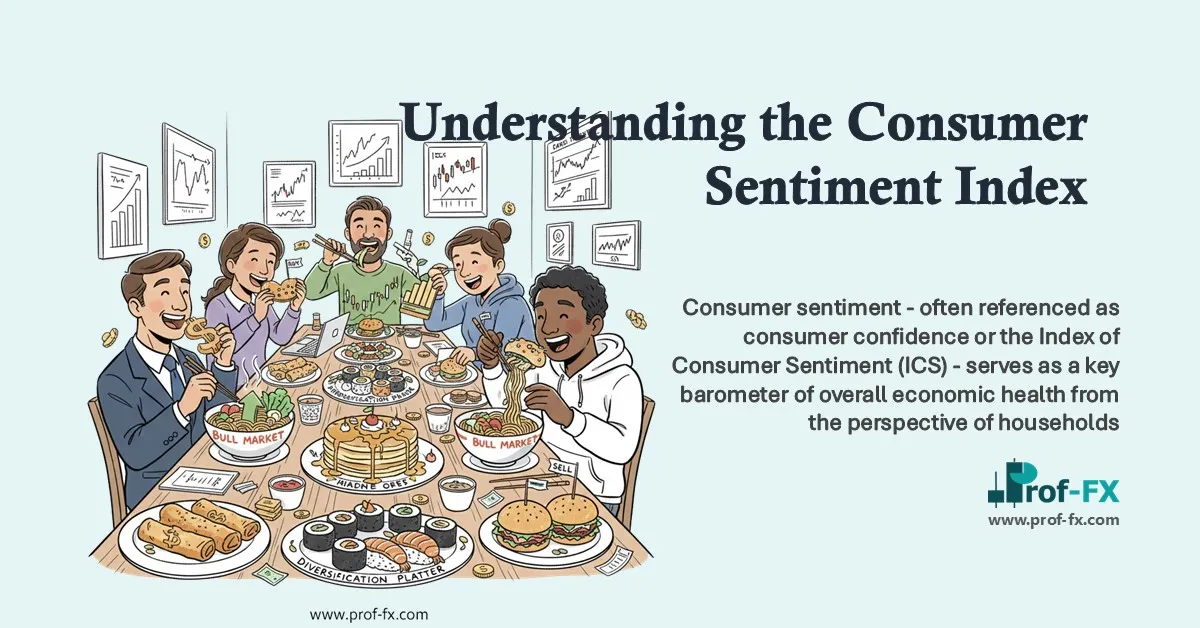
What Is Consumer Sentiment and Why It Matters for Traders? Consumer sentiment – often referenced as consumer confidence or the ….

Gap trading is one of the most distinctive price action phenomena in financial markets. When used correctly, gaps can offer ….
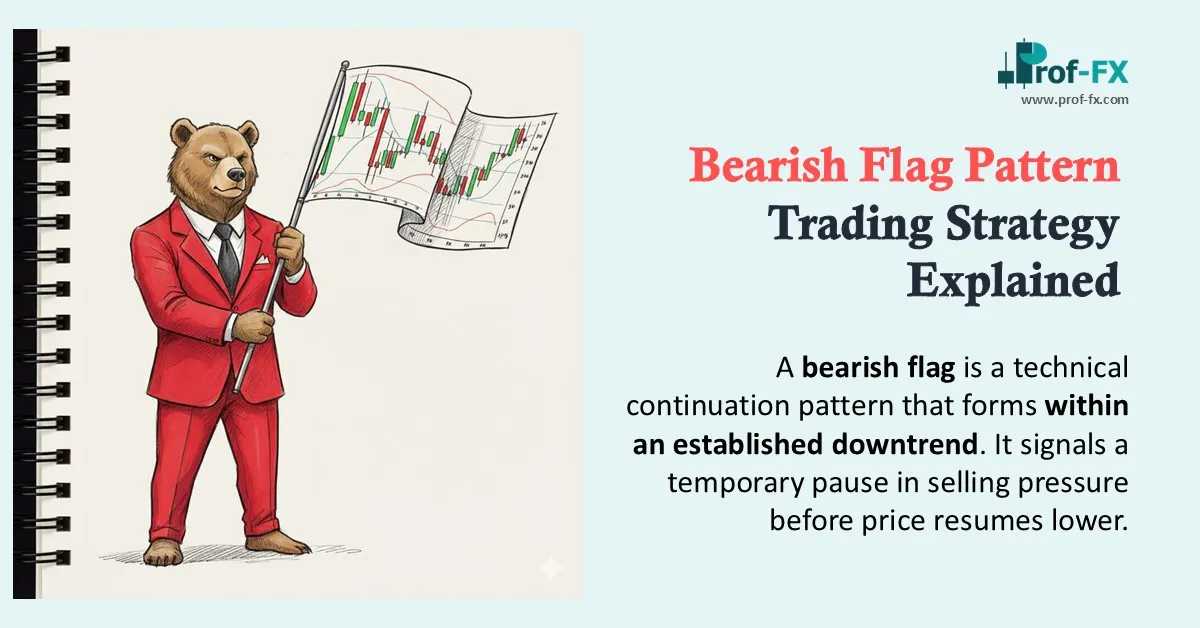
The bearish flag pattern is one of the most commonly used trend continuation patterns in technical analysis. It helps traders ….
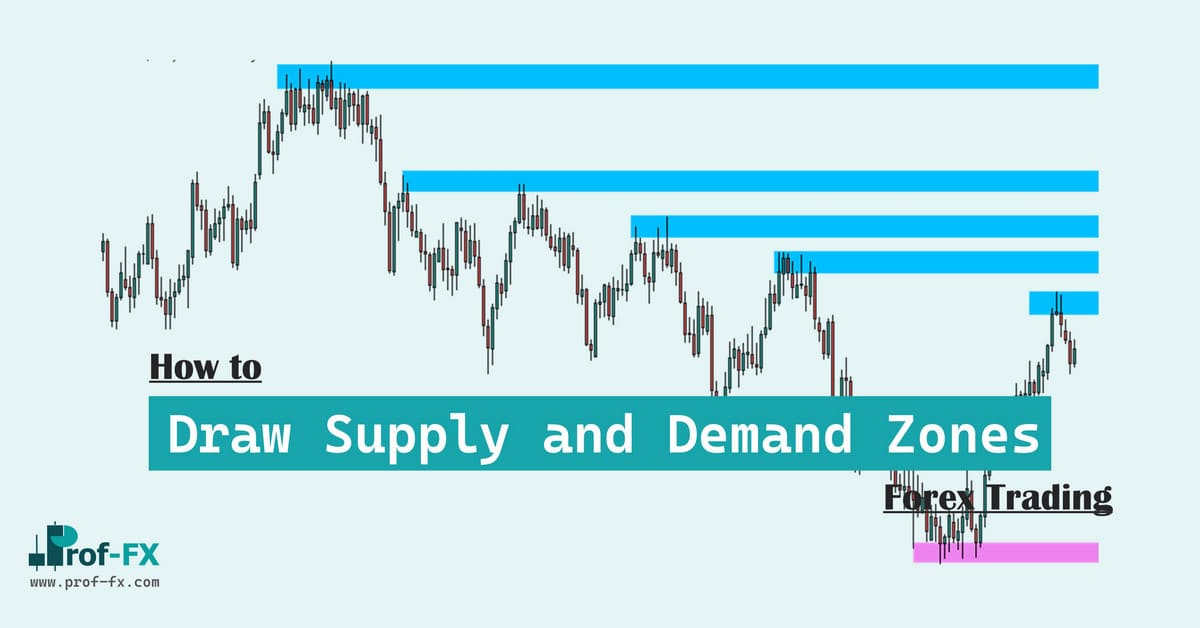
By far, one of the most common questions I get these days is how to trade supply and demand. Even ….

For years, I was losing money because I didn’t get it. Not really. You hear it everywhere, it’s probably the ….

The Australian dollar (AUD) is considered to be a major currency in the Forex market. It is also one of ….
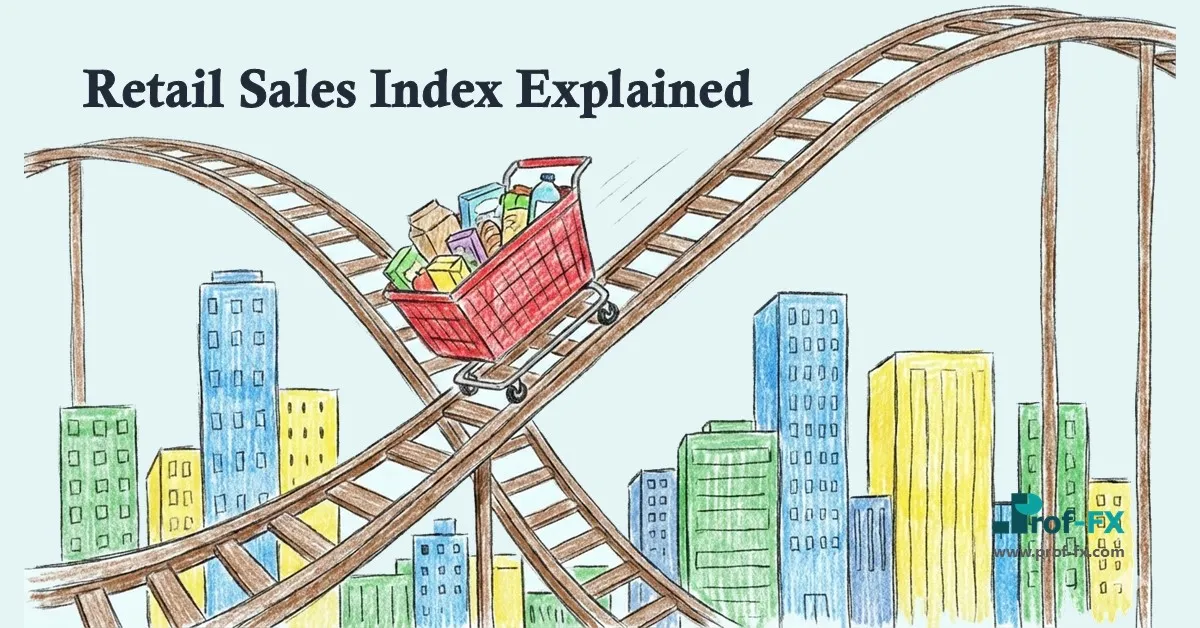
Understanding Retail Sales: A Core Metric of Consumer-Driven Economic Activity Retail Sales – often published as the Retail Sales Index ….