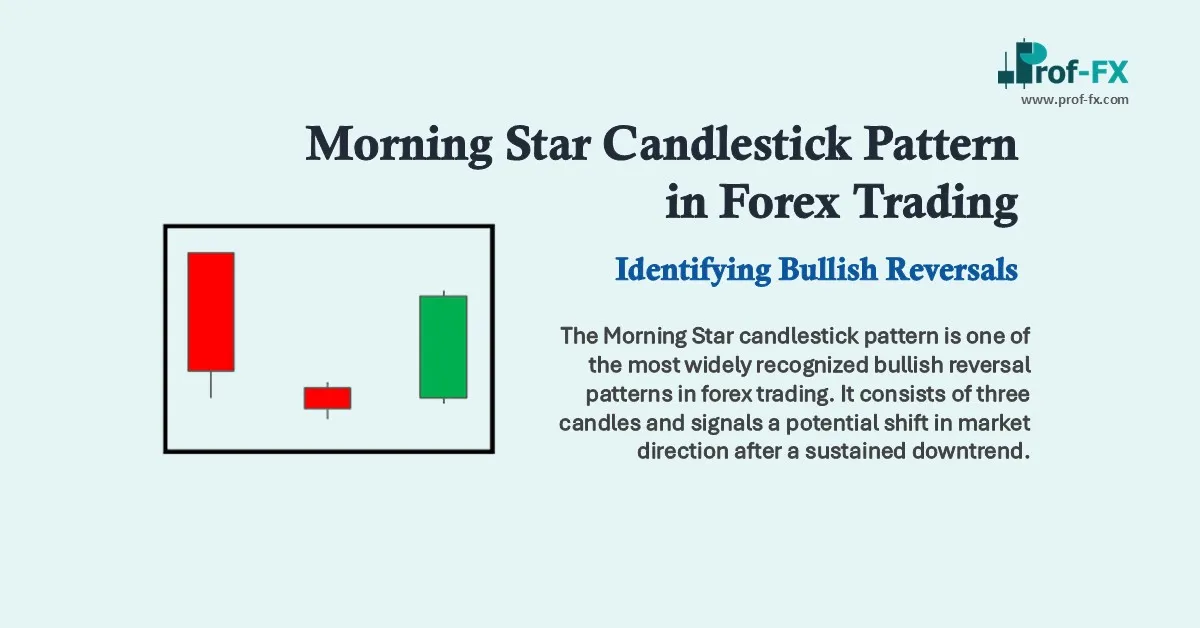
The Morning Star candlestick pattern is one of the most widely recognized bullish reversal patterns in forex trading. It consists of three candles and signals a potential shift in market direction after a sustained downtrend. For forex traders, especially beginners, correctly identifying reversals is a critical skill because it allows entry near key turning points, often at the early stage of a new trend.
In this guide, I will explain the Morning Star pattern as I would when teaching new traders—step by step, practical, and grounded in real market behavior—while maintaining professional trading and academic standards.
What You Will Learn in This Guide
This article covers the following key points:
- What the Morning Star candlestick pattern is
- How to correctly identify a Morning Star on forex charts
- How professional traders trade the Morning Star pattern
- How reliable the Morning Star is in forex trading
- Strengths and limitations of the Morning Star pattern
What Is the Morning Star Candlestick Pattern?
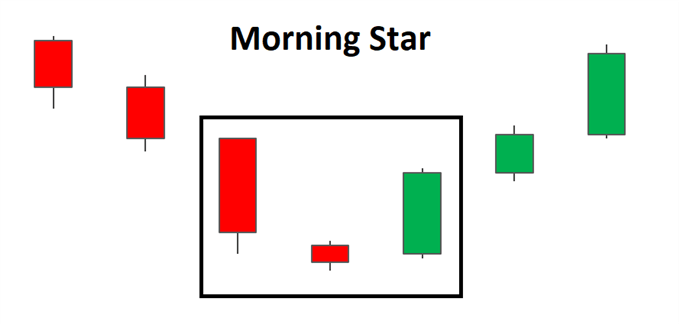
The Morning Star is a three-candle bullish reversal candlestick pattern that forms at the bottom of a downtrend. It reflects a gradual loss of selling momentum, followed by renewed buying pressure that sets the stage for a potential trend reversal to the upside.
From a market psychology perspective, the pattern shows a transition from bearish control to bullish participation. Sellers dominate initially, then momentum stalls, and finally buyers step in aggressively.
Market Psychology Behind the Morning Star Pattern
Understanding the psychology behind the Morning Star is just as important as recognizing its structure.
- The first candle reflects strong bearish sentiment and continuation of the downtrend.
- The second candle signals hesitation, uncertainty, or indecision among market participants.
- The third candle confirms that buyers have regained control and are willing to push price higher.
This gradual shift is what makes the Morning Star a high-quality reversal signal when it appears in the correct market context.
Morning Star Doji: A Stronger Variation of the Pattern
In many cases, the second candle of the Morning Star appears as a Doji candlestick, commonly referred to as a Morning Star Doji.
A Doji forms when price opens and closes at—or very near—the same level, clearly highlighting indecision. Selling pressure begins to fade, but buyers have not yet fully taken control.
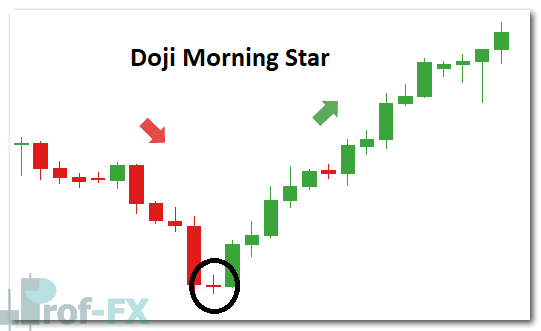
The presence of a Doji strengthens the pattern because it shows that bears are no longer able to push prices meaningfully lower. Once the third bullish candle appears, it provides confirmation that buyers now see value and are stepping in.
Morning Star vs Evening Star: Understanding the Difference
The Evening Star is the bearish counterpart of the Morning Star. While the Morning Star signals a potential reversal from bearish to bullish, the Evening Star appears at the top of an uptrend and signals a possible bearish reversal.
The same analytical logic applies, but in the opposite direction:
- Morning Star → Bullish reversal after a downtrend
- Evening Star → Bearish reversal after an uptrend
Understanding both patterns allows traders to anticipate turning points in both rising and falling markets.
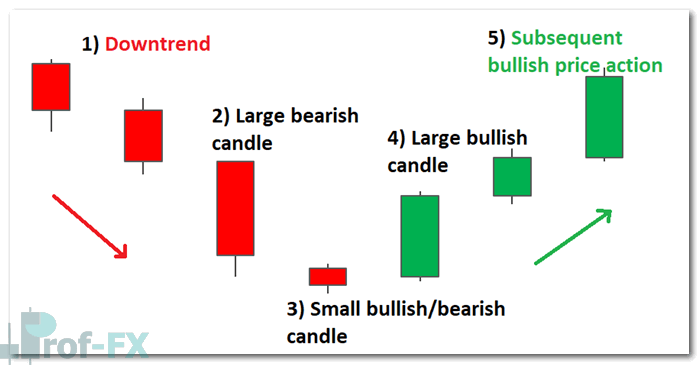
How to Identify a Morning Star on Forex Charts
Identifying a valid Morning Star pattern involves more than simply spotting three candles. Context is essential. Professional traders always assess trend structure, price action, and location before acting.
1. Confirm an Existing Downtrend
The pattern must appear after a clear downtrend. This means:
- Lower highs
- Lower lows
- Sustained bearish price movement
Without a prior downtrend, the Morning Star loses much of its significance.
2. First Candle: Large Bearish Candle
The first candle reflects strong selling pressure and continuation of the existing bearish trend. At this stage, there is no indication of a reversal, and traders are still biased toward short positions.
3. Second Candle: Small Candle or Doji
The second candle is relatively small and may be bullish, bearish, or a Doji. The key takeaway is indecision. Momentum slows, and sellers are no longer in full control.
In non-forex markets, this candle may gap lower. In forex trading, however, price typically opens close to the previous close due to continuous market hours.
4. Third Candle: Strong Bullish Candle
The third candle is the confirmation candle. It reflects renewed buying pressure and often closes well into the body of the first bearish candle. This candle signals the potential start of a new uptrend.
5. Subsequent Price Action
After a successful Morning Star reversal, traders typically observe:
- Higher highs
- Higher lows
However, failed reversals do occur, which is why risk management and stop-loss placement are essential.
How to Trade the Morning Star Pattern in Forex
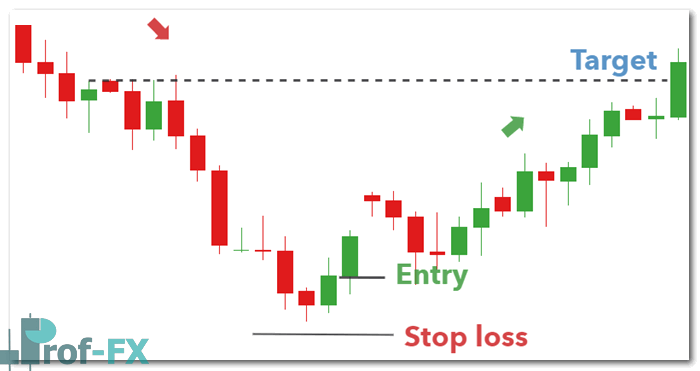
The Morning Star pattern can be seen clearly in markets such as EUR/GBP, where a sustained downtrend precedes the reversal formation.
Once the third candle closes, traders have several entry approaches:
- Aggressive entry: Enter at the open of the next candle after the pattern completes
- Conservative entry: Wait for additional bullish price action confirmation
The trade-off with conservative entries is potentially worse pricing, particularly in fast-moving forex markets.
Stop Loss and Take Profit Placement
- Stop loss: Commonly placed below the recent swing low. If price breaks this level, the reversal is invalidated.
- Take profit targets:
- Previous resistance levels
- Prior consolidation zones
- Key Fibonacci retracement levels
Because no pattern guarantees success, traders should always maintain sound risk management and aim for a positive risk-to-reward ratio.
Morning Star Pattern in Forex vs Stocks
Unlike stocks, forex markets rarely gap due to their 24-hour structure. As a result, the candles in a Morning Star pattern typically open very close to the previous close. This does not invalidate the pattern—structure and momentum matter more than gaps in forex trading.
How Reliable Is the Morning Star in Forex Trading?
The Morning Star, like all candlestick patterns, works best when combined with:
- Trend analysis
- Support and resistance levels
- Momentum indicators such as RSI or MACD
Below is a balanced view of its strengths and limitations.
Advantages of the Morning Star Pattern
- Occurs frequently in the forex market
- Easy to identify, even for beginner traders
- Provides clear entry, stop-loss, and invalidation levels
Limitations of the Morning Star Pattern
- Reversals can fail, especially in strong trends
- Works best with confirmation from other technical indicators
- Less effective in choppy or low-liquidity market conditions
Further Learning: Mastering Candlestick Reversal Patterns
If you are new to candlestick analysis, understanding multiple reversal patterns is essential. Some of the most commonly used bullish and bearish reversal patterns include:
- Bullish Engulfing
- Bullish Harami
- Bullish Hammer
- Evening Star
Expanding your pattern recognition skills will significantly improve your ability to navigate the forex market with confidence.
Prof FX provides forex news, sentiment insights, and technical analysis focused on the trends shaping the global currency markets. By mastering patterns like the Morning Star and combining them with disciplined risk management, traders can build a more structured and professional trading approach.