

The trading style a trader chooses often reflects their individual personality, mindset, and daily lifestyle. Before adopting a trading strategy or building a trading plan, it is crucial to understand who you are as a trader. Choosing a method that clashes with your natural behavior can lead to frustration, emotional decision-making, and poor performance over time.
When traders identify a style that aligns with their strengths and psychological traits, they are far more likely to remain disciplined, avoid common trading mistakes, and achieve consistent long-term performance in the forex market.
Trading Styles for Time-Efficient and Highly-Organized Individuals
If you are someone who enjoys structure but has limited screen time, these strategies can suit your schedule without overwhelming market monitoring:
Swing Trading
Swing trading allows positions to be held for several hours to a few days, making it a medium-term approach. Traders often use pending orders like Buy Stop, Sell Stop, or Take Profit to automate entries and exits at key price levels. This reduces the need for constant market supervision while still taking advantage of market fluctuations driven by technical patterns and macroeconomic news.
Automated Trading
Automated or algorithmic trading is another option for traders with limited availability. By setting predefined entry, exit, and risk parameters, trading systems such as Expert Advisors (EAs) can execute positions automatically. This approach prioritizes logic over emotion and can operate 24/5 in the global forex market.
Trading Styles for Cautious Traders Who Prefer Deep Research
Some traders prioritize capital protection and take time to analyze fundamental data, interest rates, and long-term macroeconomic trends from institutions such as the Federal Reserve (Fed), European Central Bank (ECB), or Bank of Japan (BoJ).
Position Trading
Position trading involves holding trades over months or years based on strong fundamental conviction. Traders need larger capital reserves to withstand temporary volatility and prevent margin calls. This personality type usually:
- Trades smaller lot sizes
- Applies strict stop-loss parameters
- Avoids highly volatile currency pairs
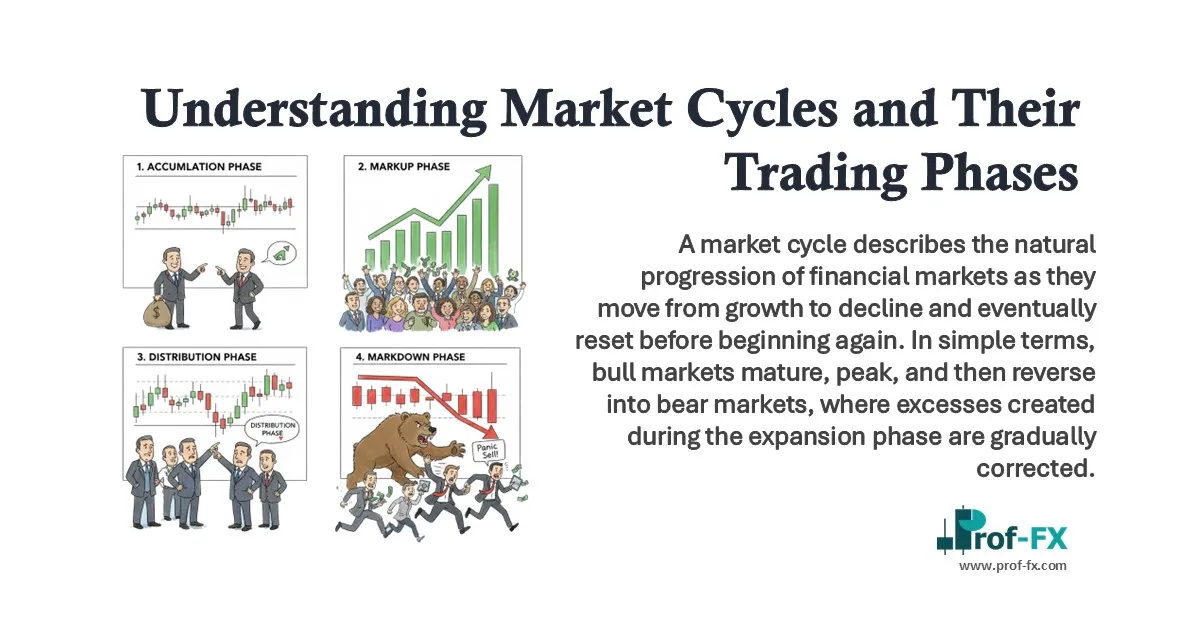
- Focuses on macroeconomic developments and market cycles
Trading Styles for Decisive Traders Who Want Fast Results
If quick decisions and immediate feedback motivate you, short-term high-frequency strategies might fit your psychology.
Scalp Trading
Scalping aims to profit from small price movements within seconds to minutes, often using high leverage. Results are felt instantly — both profits and losses. Scalp traders thrive in fast-moving markets, particularly around:
- Major economic releases (Non-Farm Payrolls, CPI)
- Central bank announcements (FOMC decisions)
- High-liquidity sessions (London & New York)
This style demands razor-sharp execution and emotional control, making it ideal for confident, decisive traders.
Maintain Consistency in Your Trading Style to Build Performance
Switching styles after a few losing trades is a common trap among beginners. Every trading methodology experiences losing streaks — this is a natural part of market behavior. If your trading plan is backed by solid risk management and realistic expectations, consistency will ultimately strengthen your results.
Successful traders measure performance over a long series of trades, not isolated outcomes.
Choosing Your Trading Personality: Final Thoughts
The forex market offers equal opportunity to individuals of all personality types:
- Hands-on traders may choose swing trading or scalping
- Long-term thinkers may prefer position trading
- Hands-off traders can explore automated systems
There is no universal best trading style — only the style that aligns with your mindset, time availability, and emotional comfort.
By understanding who you are as a trader, you build the foundation for sustainable growth.
Additional Tips to Become a More Skilled Trader
To advance your performance further:
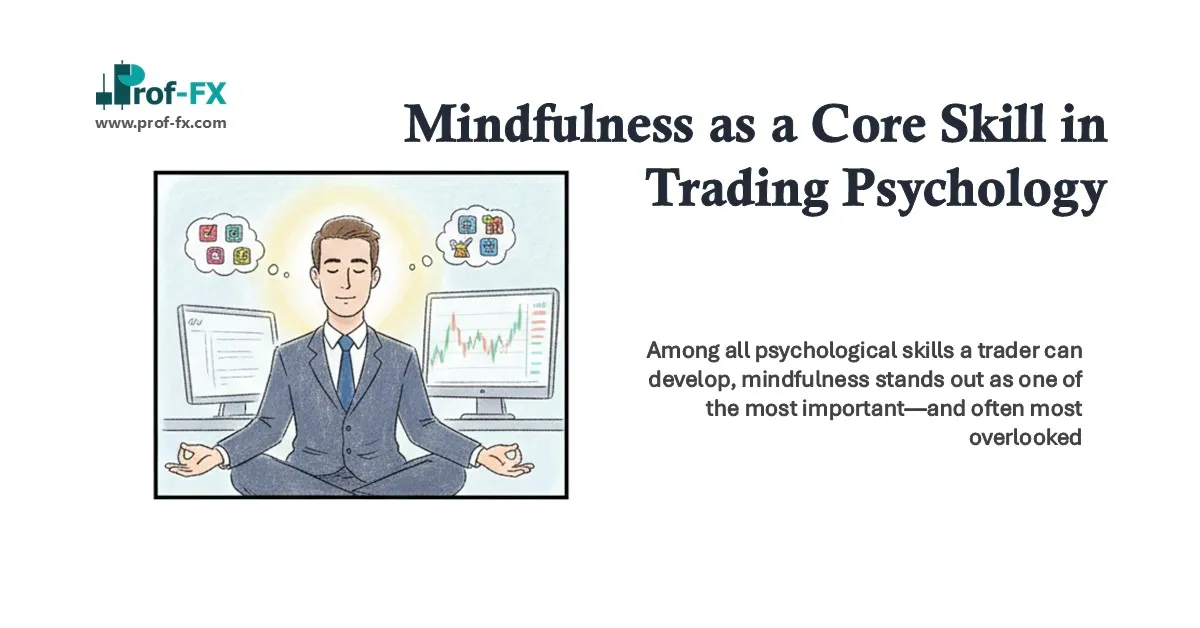
- Master trading psychology: Emotions such as fear and greed often determine success more than strategy itself
- Set clear trading goals: Track your progress and adjust based on performance data
- Learn from others’ success: Research on millions of live trades reveals the core traits of consistently profitable traders
- Stay informed: Follow updated forex news, economic calendars, and technical analysis to react to market trends more effectively
The global forex market is constantly evolving — traders who commit to continuous learning and self-awareness gain the ultimate competitive advantage.