
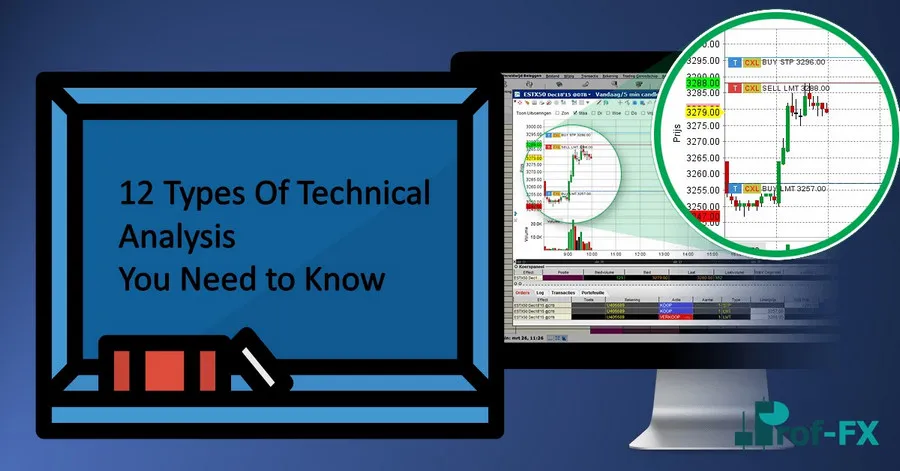
It’s beneficial to understand the basics of technical analysis. It’s a help for reading the behaviour of the majority of short term market participants.
Types of Technical Indicators
It is important to understand the fundamentals behind 12 of the most common used indicators.
Definitions
A technical indicator is a mathematical calculation that is applied to a market’s past data concerning price, volume or other calculations derived from price or volume.
Technical analysis is the method popular with short term traders for applying indicators to the market to identify trends and other patterns.
Technical analysis does not analyse fundamental data like economic numbers and news. As such its 3 major objectives are as follows:
Alert
Alert the trader to a possible trend.
Predict
Present probabilities of the direction of future price moves.
Confirm
To confirm patterns suggested by other indicators or analysis methods.
As fundamental data or news are not considered technical analysis is much less relevant to long term investors who analyse value through fundamental data.
Categories of Indicators
Indicators can be placed in 2 groups, leading and lagging.
Leading
- This indicator group gives signals before the trend begins and therefore lead the price.
- They predict price by using shorter referencing periods.
- Stochastics, MACD, RSI are the most popular leading indicators.
Read also: Leading Indicators: A Guide for Forex Traders
Lagging
- This indicator group gives signals that follow price action.
- They give signals after trend or reversal has started. They are therefore used to confirms trends and patterns.
- Moving Averages are the most popular lagging indicators.
Read also: What Are Lagging Indicators?
Types of Indicator
Different indicators use various calculations to present certain aspects of the raw data. Trends, momentum, volatility and volume are the most useful aspects.
Trend Indicators
These indicators calculate the direction and strength of a trend by comparing prices to an established baseline found by averaging price.
Moving Averages
These are used to identify trends and reversals, as well as to set up support and resistance levels.
Parabolic Stop and Reverse (Parabolic SAR) – Lagging
This indicator is used to find potential reversals in the market price direction.
Moving Average Convergence Divergence (MACD) – Lagging
This indicator is used to reveal changes in the strength, direction, momentum, and duration of a trend in the price.
Momentum Indicators
These indicators identify the rate or speed of price movement. Volume can be analysed instead of price.
The Calculation
The indicator compares current close price to previous closes, typically a line below that oscillates as momentum changes. Divergence between price and momentum can signal change in future price.
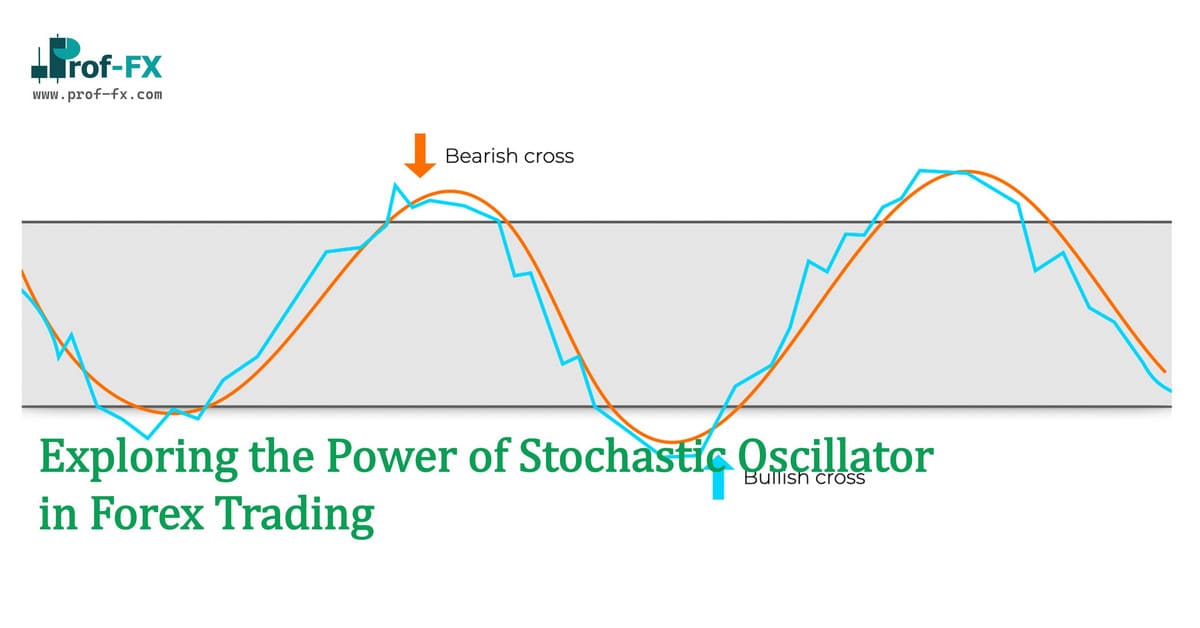
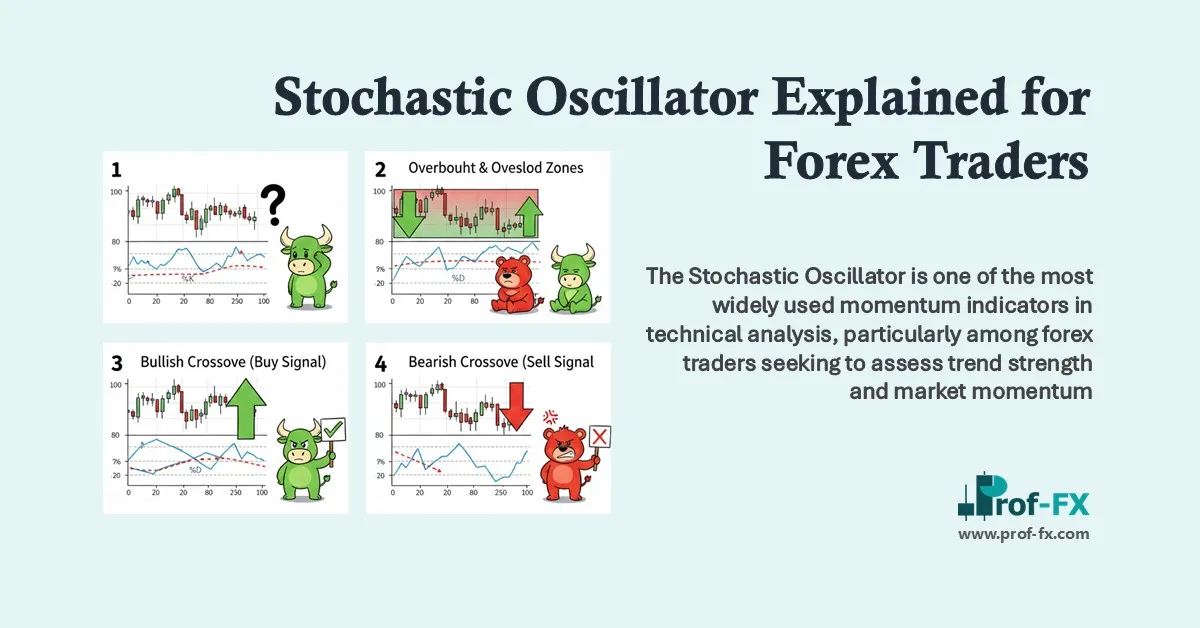
Stochastic Oscillator – Leading
This indicator is used to predict price turning points by comparing the closing price to its price range.
Commodity Channel Index (CCI) – Leading
An oscillator that helps identify price reversals, price extremes, and trend strength.
Relative Strength Index (RSI) – Leading
This indicator measures recent trading strength, velocity of change in the trend, and magnitude of the move.
Volatility Indicators
These indicators measure the rate of price movement, based on the change in the highest and lowest past prices.
They give traders an idea of the “highness” or “lowness” of price, relative to previous trades.
Average True Range – Lagging
These indicators show the degree of price volatility.
Standard Deviation – Lagging
These indicators are used to measure expected risk and to determine the significance of certain price movements.
Volume Indicators
These indicators measure the strength of a trend or confirm direction based on averaging raw volume. The number of units of volume increases as the trend strengthens.
Chaikin Oscillator – Leading
These indicators monitor the flow of money in and out of the market, which can help determine tops and bottoms.
On-Balance Volume (OBV) – Leading
These indicators attempt to measure level of accumulation or distribution, by comparing volume to price.
Volume Rate of Change – Lagging
These indicators highlight increases in volume. These normally happen mostly at market tops, bottoms, or breakouts.
Using the Forex Indicators
Use only 2 indicators at a time, stick with them and learn how they work in real time. Do not chop and change indicators. The more you apply an indicator in real time the better you become at interpreting its implications.
Do not use similar indicator groups together, choose different types together that look at different aspects of the data.
When you get familiar with an indicator use another type of indicator to confirm the interpretations.
The most important thing to note is that no matter how accurate your indicators are, they cannot predict the behavior of the participants in a particular context and cannot therefore be always relied upon in every situation.
Also its worth understanding that no matter how good the indicators making money consistently will rely upon your discipline and money management skills. It’s no use having an indicator that’s correct 60% of the time if you lose twice the amount on bad signals than you make on good ones.