

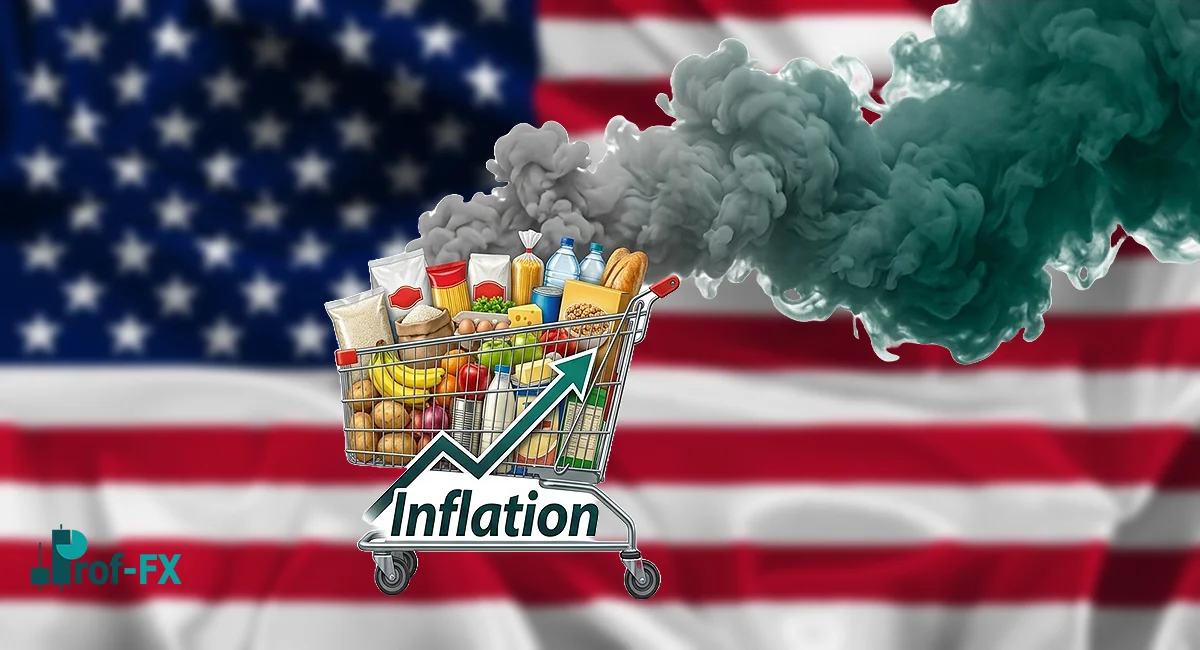
US consumer prices accelerated sharply in April, reinforcing concerns that inflationary pressures remain persistent as rising energy costs continue to weigh heavily on the broader economy.
According to the latest data release, the US Consumer Price Index (CPI) increased by 0.6% in April, following a stronger 0.9% rise recorded in March. On an annual basis, headline inflation climbed 3.8% over the past 12 months, highlighting continued upward pressure on consumer prices across multiple sectors.
Energy and gasoline prices were identified as the primary contributors to the latest inflation increase, accounting for more than 40% of the overall monthly rise in consumer prices.
More detailed figures showed that the energy index advanced 3.8% during April and surged 17.9% compared with the same period a year earlier. Gasoline prices posted another significant increase, rising 5.4% on a monthly basis and climbing 28.4% over the last 12 months.
Other fuel-related categories and electricity prices also recorded gains during the period, while natural gas prices experienced a modest decline. Despite the slight easing in natural gas costs, the broader energy complex continued to exert substantial inflationary pressure.
Meanwhile, the food sector also remained elevated. Food prices rose 0.5% in April and increased 3.2% over the past year, indicating that inflationary pressures are still spreading beyond the energy sector.
Within the food category, grocery prices, which are included in the household consumption index, increased by 0.7% during the month. At the same time, food-away-from-home prices advanced 0.2% and were up 3.6% compared with the same period last year.
At the core level, inflation also continued to show resilience. Core CPI, which excludes the more volatile food and energy components, rose 0.4% month-over-month in April and increased 2.8% year-over-year over the last 12 months.
Housing and shelter costs remained another key source of inflation pressure, with the sector rising 0.6% during the month and posting a 2.8% annual increase. In contrast, prices for new vehicle purchases, communication services, and medical care services declined modestly, although the decreases were relatively limited.
Financial markets reacted quickly following the inflation release. Gold prices represented by XAU/USD extended losses after the CPI data was published, falling toward the 4670.00 level while continuing to remain capped below the 4700.00 area.
Meanwhile, USD/JPY stabilized above the 157.65 level after previously sliding to 156.73 during the earlier London trading session. The pair’s resilience reflected renewed support for the US Dollar as stronger inflation data reinforced expectations that the Federal Reserve could maintain a hawkish monetary policy stance for a longer period.